There was a time when PMQs were doubtless a valuable occasion for holding to account the The First Lord of the Treasury and giving ministers and opponents an opportunity to grill the incumbent on matters of actual importance. One imagines it may even have been an occasion of some gravitas where the workings of parliament were conceived in all their egalitarian glory.
No more however. Now it is a mind-numbingly dull spectacle of infantile caterwauling, hollow remonstrance and tedious point-scoring and triumphalism to 'rally the troops'. Political journalist will assert that party leaders metaphorically bloodying the nose of their erstwhile opponent can reinvigorate a party for the ideological battles ahead.
Really? I would be sceptical of that in the extreme. This is to assert that 30 minutes of partisan name calling and outright yobbery is what keeps our political leaders sustained? the though appals more than it amuses.
Any use for this overwrought and mindlessly soul-destroying, numbingly, wearying, banal so called spectacle is undermined by the fact that it is so stage managed and lacks any real possibility of being pulled from the embers of mundanity by anything purposeful ever occurring.
The contemporary image of Parliament and politics in this country is poor in the extreme and to see this cliche driven, fractious and ultimately politically inane sideshow as the main representation of Parliament to the voters and the outside world can be doing that reputation no favours.
We have two obvious choices, either scrap it for good or rescue it from the embers of its current moribund redundancy by giving the Speaker the power to enforce a ban on the oafish lout like behaviour from all sides of the house that occur when this 'debate' occurs and get back to a debate driven by courtesy which gives the electorate a fair view of opposing ideological stances.
If this were a school debate both captains would have been taken to one side and admonished for the behaviour to their teams by now!
Monday, 30 December 2013

Thursday, 19 December 2013
Oh, I'm awfully sorry.
The English have long been noted for an almost pathological devotion to reserve, manners and self-deprecation. Which is something one can accept quite honestly, they seem like reasonable attributes to adopt to me.
The one area that puzzles me the most though, is why do we apologise so much/ is it a cultural hold-over that we inherently feel we mus apologise for the excesses of former generations? One would be inclined to believe not. In fact you could more reasonably assert that this has more to do with the aforementioned reserve and manners.
Even if we know something is the other person's fault we apologise. Personal experience has led to a variety of experiences pertaining to this. Ranging from both parties apologising or inadvertently bumping into each other when nobody is at fault, to my own immediate reaction of 'soory' which bubbles up instinctively when someone else is at fault. In the later instance, one may, for example, have been crashed into by a trolley weilding buffoon who has no spatial awareness in supermarket aisles and leaves you with a haematoma the size of a cricket ball. This does not natter however when you apologise to each other.
HOWEVER, should you apologise for something which is clearly the other person's fault and get no response then ones blood begins to boil. Yet reticence precludes further action. Surely this is too frustrating a way to carry on? Well, no actually, no matter how frustrated one gets, as an English person the instinct is to just keep on apologising regardless of lack of personal blame.
Awfully sorry about that old bean.
The one area that puzzles me the most though, is why do we apologise so much/ is it a cultural hold-over that we inherently feel we mus apologise for the excesses of former generations? One would be inclined to believe not. In fact you could more reasonably assert that this has more to do with the aforementioned reserve and manners.
Even if we know something is the other person's fault we apologise. Personal experience has led to a variety of experiences pertaining to this. Ranging from both parties apologising or inadvertently bumping into each other when nobody is at fault, to my own immediate reaction of 'soory' which bubbles up instinctively when someone else is at fault. In the later instance, one may, for example, have been crashed into by a trolley weilding buffoon who has no spatial awareness in supermarket aisles and leaves you with a haematoma the size of a cricket ball. This does not natter however when you apologise to each other.
HOWEVER, should you apologise for something which is clearly the other person's fault and get no response then ones blood begins to boil. Yet reticence precludes further action. Surely this is too frustrating a way to carry on? Well, no actually, no matter how frustrated one gets, as an English person the instinct is to just keep on apologising regardless of lack of personal blame.
Awfully sorry about that old bean.
Wednesday, 4 December 2013
Is fear really the best motivator?
One watched with fascination the BBC 'imagine' production delving into the history and reputation of Machiavelli via the 500th anniversary of his politically seminal book 'the prince'.
One suggestion that stood out above all others was this. it is better for a leader to be feared than liked. it is better to engender respect through trepidation than kindness.
Is this true though? One can only relate to personal experience in the workplace. There has been an occasion upon which I was able to witness in action a man who would shame a Dickensian caricature of industrial despotism like Gradgrind with his sheer overwhelming awfulness. Was he feared by his workers? Yes, indisputably. did they then work all the harder for him because of this? Well, speaking as one of those aforementioned workers - no.
What developed was an us and them mentality and no desire or ability to pull together. instead most staff did the bare minimum to get by then looked for a way out.
yet working in other situations one has encountered leaders who perhaps awe their staff without terrifying them. They were definitely senior to you and to be respected. The best of these was a hospital manger who would defend her staff to the hilt against all comers. Then, if the transgressed or failed her, take them to one side and eviscerate them - without malice. Once criticism was delivered, that was it, one moved on and more often than not performed to a higher standard. Knowing however that your manager still had your back.
One has also worked for decidedly 'nice' people. Whilst there is a possibility that they could be taken advantage of, on a personal level one finds it easier to be motivated to want to help these people, to pull together and to aim for common goals (apologies for the horror of any corporate-speak that has seeped in here).
So is the key niceness, or fear? neither, the key is respect. Leaders need the respect of those they intend to lead and need to gain that respect by earning it through their own demonstrable ability.
http://www.theartsdesk.com/tv/imagine-whos-afraid-machiavelli-bbc-one
One suggestion that stood out above all others was this. it is better for a leader to be feared than liked. it is better to engender respect through trepidation than kindness.
Is this true though? One can only relate to personal experience in the workplace. There has been an occasion upon which I was able to witness in action a man who would shame a Dickensian caricature of industrial despotism like Gradgrind with his sheer overwhelming awfulness. Was he feared by his workers? Yes, indisputably. did they then work all the harder for him because of this? Well, speaking as one of those aforementioned workers - no.
What developed was an us and them mentality and no desire or ability to pull together. instead most staff did the bare minimum to get by then looked for a way out.
yet working in other situations one has encountered leaders who perhaps awe their staff without terrifying them. They were definitely senior to you and to be respected. The best of these was a hospital manger who would defend her staff to the hilt against all comers. Then, if the transgressed or failed her, take them to one side and eviscerate them - without malice. Once criticism was delivered, that was it, one moved on and more often than not performed to a higher standard. Knowing however that your manager still had your back.
One has also worked for decidedly 'nice' people. Whilst there is a possibility that they could be taken advantage of, on a personal level one finds it easier to be motivated to want to help these people, to pull together and to aim for common goals (apologies for the horror of any corporate-speak that has seeped in here).
So is the key niceness, or fear? neither, the key is respect. Leaders need the respect of those they intend to lead and need to gain that respect by earning it through their own demonstrable ability.
http://www.theartsdesk.com/tv/imagine-whos-afraid-machiavelli-bbc-one
Tuesday, 19 November 2013
Does Dr Watson get the credit he deserves?
Sherlock Holmes, Arthur Conan Doyle's fictional detective and all the minutiae of his invented world are globally famous. It is impossible to wear a deerstalker without people immediately directing the word 'Sherlock' at you (and one speaks from experience here).
Sherlock himself is justifiably famous. the machine like man, the cold, calculating reasoning machine, the man of the iron constitution, the model by which all later detectives are judged.
Yet just as important to the whole Sherlockian world is the man who supposedly recounts most of the adventures therein, Dr John H Watson lately returned from the Afghan wars with a bullet in his leg (or arm or even'limb' depending which story you read!).
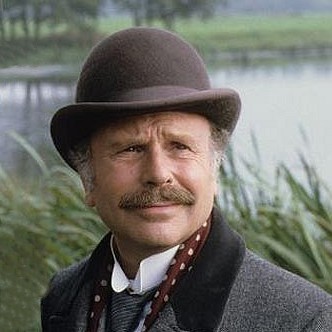
Watson is Holmes 'Boswell' recording his actions and throwing light upon them for the world. He appears in 93% of all the Holmes stories Conan Doyle created and his absence is keenly felt in the ones he is absent from. He is the perfect foil to Holmes. more emotional, more humane and more capable of representing the views of the average reader. But we must not undersell Watson. he is a man of action. Prepared to fight, to trespass, to go beyond the call of duty for his friend and who in return is the one person in the world we feel Holmes may implicitly trust and by extension care about.
So why doesn't Watson the character seem to get more respect from the general public? Two words...Nigel Bruce! his portrayal as a fat, bumbling incompetent alongside Basil Rathbone's ice cold Holmes in many films was once all pervasive and still echoes in the popular consciousness.

That's not to undersell 'Willy' Bruce. this was a marvellous comic turn. A real inhabiting of a character in a humorous tour de force that still resonates today. But does it represent THE Watson? A military man of action, a qualified Dr who is intelligent and dignified? Surely not.
In recent years we have seen a counterbalancing of this with representations of Watson as a gambling adventurer;

Or 'John' in 'Sherlock' who is portrayed as a man happier when risks are being taken and who's loyalty can never be called into question;

So which is nearest to the truth. Well in truth there can be no definitive version. Like Shakespeare the characterisations will be re-worked for succeeding generations reflecting the zeitgeist of the ties from which they are borne.
The point is this; we should celebrate John Hamish Watson MD every bit as much as Sherlock Holmes Without there brilliant interacti0on, without the counterpoint to Holmes, without the bedrock of their friendship that the whole Sherlockian world revolves around the stories wouldn't be nearly as successful.
So raise a cheer for Watson - Hip hip Huzzah!
Sherlock himself is justifiably famous. the machine like man, the cold, calculating reasoning machine, the man of the iron constitution, the model by which all later detectives are judged.
Yet just as important to the whole Sherlockian world is the man who supposedly recounts most of the adventures therein, Dr John H Watson lately returned from the Afghan wars with a bullet in his leg (or arm or even'limb' depending which story you read!).
Watson is Holmes 'Boswell' recording his actions and throwing light upon them for the world. He appears in 93% of all the Holmes stories Conan Doyle created and his absence is keenly felt in the ones he is absent from. He is the perfect foil to Holmes. more emotional, more humane and more capable of representing the views of the average reader. But we must not undersell Watson. he is a man of action. Prepared to fight, to trespass, to go beyond the call of duty for his friend and who in return is the one person in the world we feel Holmes may implicitly trust and by extension care about.
So why doesn't Watson the character seem to get more respect from the general public? Two words...Nigel Bruce! his portrayal as a fat, bumbling incompetent alongside Basil Rathbone's ice cold Holmes in many films was once all pervasive and still echoes in the popular consciousness.
That's not to undersell 'Willy' Bruce. this was a marvellous comic turn. A real inhabiting of a character in a humorous tour de force that still resonates today. But does it represent THE Watson? A military man of action, a qualified Dr who is intelligent and dignified? Surely not.
In recent years we have seen a counterbalancing of this with representations of Watson as a gambling adventurer;
Or 'John' in 'Sherlock' who is portrayed as a man happier when risks are being taken and who's loyalty can never be called into question;
So which is nearest to the truth. Well in truth there can be no definitive version. Like Shakespeare the characterisations will be re-worked for succeeding generations reflecting the zeitgeist of the ties from which they are borne.
The point is this; we should celebrate John Hamish Watson MD every bit as much as Sherlock Holmes Without there brilliant interacti0on, without the counterpoint to Holmes, without the bedrock of their friendship that the whole Sherlockian world revolves around the stories wouldn't be nearly as successful.
So raise a cheer for Watson - Hip hip Huzzah!
Friday, 8 November 2013
'None of the above' would be better than not voting
Russell Brand caused something of a media mini-storm recently with his typically verbose declaration of the fact that he does not vote.
http://www.youtube.com/watch?v=3YR4CseY9pk
In fact, whatever one thinks of Brand, or Paxman, or the presentation, it cannot be argued that voter apathy is a major issue with declining voter turnout over the last 50 years
http://www.ukpolitical.info/Turnout45.htm
So what to do? I have read endless things on voter engagement. Ways to interest everyday people in politics. in my experience however everyday people don't like politics, don't trust politicians and don't want to talk about the issues. the latter partially due to that fine British mantra, - 'don't talk about politics or religion and you'll be fine'.
I read recently in the 'i' newspaper the suggestion put forward that 'None of the above' should be included on the ballot paper.
At first glance this does not seem much of a solution. Yet oddly I think it might be! Plenty of people in the U didn't vote in the last election and we have a coalition government because no one party was favoured enough to get in alone. What if one of them had though? By even a small margin? They would claim their victory (not voted for by the majority) was a success and they were mandated to carry out their programme of government.
If you had 'noe of the above' though this would be a protest vote. Ticking it wouldn't be a spoiled paper so if it got the most voters it would be recorded. Obviously the next best placed actual person would 'win' but how chastened would they be to have been runner up to a protest vote?
Imagine a government formed in the shadow of a majority vote of 'none of the above'. Nobody could claim a mandate and politicians would know just how people really felt.
Also I believe people would feel empowered to vote if they could register a protest. Who knows, maybe, just maybe voting that way would engage them a little more and in another election they may pick someone!
http://www.youtube.com/watch?v=3YR4CseY9pk
In fact, whatever one thinks of Brand, or Paxman, or the presentation, it cannot be argued that voter apathy is a major issue with declining voter turnout over the last 50 years
http://www.ukpolitical.info/Turnout45.htm
So what to do? I have read endless things on voter engagement. Ways to interest everyday people in politics. in my experience however everyday people don't like politics, don't trust politicians and don't want to talk about the issues. the latter partially due to that fine British mantra, - 'don't talk about politics or religion and you'll be fine'.
I read recently in the 'i' newspaper the suggestion put forward that 'None of the above' should be included on the ballot paper.
At first glance this does not seem much of a solution. Yet oddly I think it might be! Plenty of people in the U didn't vote in the last election and we have a coalition government because no one party was favoured enough to get in alone. What if one of them had though? By even a small margin? They would claim their victory (not voted for by the majority) was a success and they were mandated to carry out their programme of government.
If you had 'noe of the above' though this would be a protest vote. Ticking it wouldn't be a spoiled paper so if it got the most voters it would be recorded. Obviously the next best placed actual person would 'win' but how chastened would they be to have been runner up to a protest vote?
Imagine a government formed in the shadow of a majority vote of 'none of the above'. Nobody could claim a mandate and politicians would know just how people really felt.
Also I believe people would feel empowered to vote if they could register a protest. Who knows, maybe, just maybe voting that way would engage them a little more and in another election they may pick someone!
Wednesday, 30 October 2013
Fine thanks and you?
'Hi, how are you?' is a phrase we hear on a daily basis and, being British, the response must ALWAYS be 'fine thanks, how are you'.
We could be terminally depressed, tragically ill, massively uncomfortable or in emotional turmoil. The answer however should and still will always be, 'fine thanks how are you?'.
This is a ritualistic verbal dance. it sits alongside discussing the weather as an ice breaker in awkward situations with new people. Nobody asking how we are expects e genuine response and to be honest would be terribly mortified to get one if we were to, perish the thought, 'open up to them'.
Why is this? Are we Brits still enamoured of the idea of the stiff upper lip so much that we mustn't ever complain. Well no. Actually we're just so socially inept that we need these language tools to open conversation.
So here's some open advice to visitors to our shores. If someone says 'How are you?', no matter how long you've known them, no matter how close you've become, the immediate response is always 'fine thanks, how are you?'
Glad we've cleared that up!
We could be terminally depressed, tragically ill, massively uncomfortable or in emotional turmoil. The answer however should and still will always be, 'fine thanks how are you?'.
This is a ritualistic verbal dance. it sits alongside discussing the weather as an ice breaker in awkward situations with new people. Nobody asking how we are expects e genuine response and to be honest would be terribly mortified to get one if we were to, perish the thought, 'open up to them'.
Why is this? Are we Brits still enamoured of the idea of the stiff upper lip so much that we mustn't ever complain. Well no. Actually we're just so socially inept that we need these language tools to open conversation.
So here's some open advice to visitors to our shores. If someone says 'How are you?', no matter how long you've known them, no matter how close you've become, the immediate response is always 'fine thanks, how are you?'
Glad we've cleared that up!
Tuesday, 15 October 2013
career colleges are a good idea.
A quote in today's 'i' newspaper was particularly attention grabbing. Lord Baker, former Conservative Education Secretary and introduced of the National Curriculum said this; 'We have one million young people unemployed and are issuing visas to people from overseas who have the skills we need- it is about time that we filled this gap with our own young people'.
It is unusual for me to agree with an oleaginous politician, particularly one from the right when my own views are moderately centrist. However, in this one has to say he is right. We need to educate young people in a more diverse way than touting academia and higher education, then casting them aside if they cannot make it.
Of course academia is right for some and e should encourage that. However that leaves plenty of 14 year olds who could be looking at a barren future with few prospects. 'Career colloeges' announced here could be a good remedy for this. they sill maintain a core of English, maths and science but put alongside this a more vocational approach. Of course this is a good idea. We, as a nation, should be encouraging the next generation of engineers, caterers, constructors and more.
I can only hope that this initiative isn't sidelined by lack of support or political will. It is nice to see for a change a positively constructed, well thought out idea that may offer wider educational/vocational choices to coming generations.
Something we should all endorse.
It is unusual for me to agree with an oleaginous politician, particularly one from the right when my own views are moderately centrist. However, in this one has to say he is right. We need to educate young people in a more diverse way than touting academia and higher education, then casting them aside if they cannot make it.
Of course academia is right for some and e should encourage that. However that leaves plenty of 14 year olds who could be looking at a barren future with few prospects. 'Career colloeges' announced here could be a good remedy for this. they sill maintain a core of English, maths and science but put alongside this a more vocational approach. Of course this is a good idea. We, as a nation, should be encouraging the next generation of engineers, caterers, constructors and more.
I can only hope that this initiative isn't sidelined by lack of support or political will. It is nice to see for a change a positively constructed, well thought out idea that may offer wider educational/vocational choices to coming generations.
Something we should all endorse.
Wednesday, 2 October 2013
Is the NFL overreaching itslef (UK view)
Being an NFL fan these days is an unrecognisable experience from when it all started in the 80's. I jumped on the bandwagon in 1983 when the biggest stars were the likes of Marcus Allen, Dan Marino and co. This was a time when footy and rugby fans in the UK would laugh at you for supporting a sport full of 'girlie' types who need padding , 'not like our rugby players'.
Pointing out the difference between running head first at each other repeatedly and rugby tackling was pointless. Others complained about the pom and razzmatazz. if the game was so good why did it need cheerleaders they opined. Also why does it stop and start all the time? This latter was the refrain I heard the most from friends whenever I tried to watch the game. It didn't matter how often you tried to explain the intricacies they didn't listen.
Going to Wembley for the 'American Bowl' was an amazing otherworldly experience where something completely alien seemed to have touched down in the capital.
All of this is a far cry from today. Now we have excellent TV coverage, the Internet has made it possible to follow our teams on a previously unthought of daily basis. ( I should just do a quick referral here for Dolphins fans to the excellent news wire section of phins.com). No more listening to grainy sounding armed forces radio at obscure times or watching highlights of a show shunted around the schedule. The sport is much more widely respected and the players recognised more as athletes.
So why am I concerned?
Mainly because I'm worried the NFL will overreach itself. I don't believe a much mooted London franchise will work. People like the international series, once or twice a year as a day out. They may not want to pay 8 times or more to see what as an expansion/recently moved team is likely to be some very average (at best) play.
Football (soccer) is king here too. The loyalties and depth of emotional bond between footy fans and their teams is something different to a potentially mobile franchise like the NFL offers. From an American perspective the closest comparison is probably with the emotional bond people feel for their local college teams. the NFL will never supplant that and must bear that in mind.
Then there are the combined issues of the increasingly out sized nature of linemen, how concussions may affect the game long term and whether the teams actually care for their players properly when needed (see 49ers/DUI on Google recently).
I love the NFL, I really do. I've followed it for over 30 years now and cannot believe how accessible it is these days. For its own sake though I hope it doesn't overreach itself.
Pointing out the difference between running head first at each other repeatedly and rugby tackling was pointless. Others complained about the pom and razzmatazz. if the game was so good why did it need cheerleaders they opined. Also why does it stop and start all the time? This latter was the refrain I heard the most from friends whenever I tried to watch the game. It didn't matter how often you tried to explain the intricacies they didn't listen.
Going to Wembley for the 'American Bowl' was an amazing otherworldly experience where something completely alien seemed to have touched down in the capital.
All of this is a far cry from today. Now we have excellent TV coverage, the Internet has made it possible to follow our teams on a previously unthought of daily basis. ( I should just do a quick referral here for Dolphins fans to the excellent news wire section of phins.com). No more listening to grainy sounding armed forces radio at obscure times or watching highlights of a show shunted around the schedule. The sport is much more widely respected and the players recognised more as athletes.
So why am I concerned?
Mainly because I'm worried the NFL will overreach itself. I don't believe a much mooted London franchise will work. People like the international series, once or twice a year as a day out. They may not want to pay 8 times or more to see what as an expansion/recently moved team is likely to be some very average (at best) play.
Football (soccer) is king here too. The loyalties and depth of emotional bond between footy fans and their teams is something different to a potentially mobile franchise like the NFL offers. From an American perspective the closest comparison is probably with the emotional bond people feel for their local college teams. the NFL will never supplant that and must bear that in mind.
Then there are the combined issues of the increasingly out sized nature of linemen, how concussions may affect the game long term and whether the teams actually care for their players properly when needed (see 49ers/DUI on Google recently).
I love the NFL, I really do. I've followed it for over 30 years now and cannot believe how accessible it is these days. For its own sake though I hope it doesn't overreach itself.
Wednesday, 18 September 2013
Are 'MOOCS' the future of higher education?
The OU is just one of 23 HE institutions that have launched 'Futurelearn' based around free access to their courses for anybody to enrol in, the eponymous MOOCS (massive online open courses).
http://www.bbc.co.uk/news/business-24109190
The question is, is this the way forward and if it is, is that a good thing?
Critics suggest that they miss the point of university life. The teaching is there, but it is dry and not brought to life in the way it can be in person. Nor does the student get the University lifestyle experience. Added to this is the factor of the potential for a very high drop out rate. Many do sign up for new courses online but many also drop out.
Let me address that last point first. In some ways it's actually a positive for a student. They can try a course, for free, and if discovering its not for them, drop out without financial penalty. At the same time they will have experienced, however briefly, a level of teaching from a institution they may never have considered. Perhaps they will try several courses before settling on one. The point is that they can.
As to the suggestion that courses are less vibrant, this underplays the ability of the institutions involved to deliver entertaining learning in the digital age. There are many ways to involve and engage people on these courses.
My greatest overriding concern would be if these courses were looked at to replace degrees. They cannot offer the same depth of learning and experience perhaps. What they can offer though is access and opportunity and a broadening of intellectual experience and that can only be a good thing.
We do not know how far MOOCS will go or how successful they will be. As an OU alumnus however I can only say that their involvement encourages only confidence and optimism on my behalf.

Friday, 6 September 2013
The historian as storyteller.
In peace, sons bury their fathers. In war, fathers bury their sons.
Read more at http://www.brainyquote.com/quotes/authors/h/herodotus.html#3It7xpozRKGKFgI8.99
Above is a great, thought provoking quote from Herodotus. It is one amongst many as you will see if you follow the link. Whatever your opinion of him as a historian Herodotus was a great storyteller. This art, the craft and guile to write interesting, captivating things still must lie at the heart of the historian's arsenal. They, of course, must be empirical in their approach to evidence and how they interpret it. That is the science of history.
The real creativity though may come in the presentation of interpretation. It is no good writing a perfectly accurate but tedious account of your field. Nobody will read it! It is equally unworthy to write an entertaining but inaccurate account.
The balance must be struck between creativity and accuracy. This is where the historian must be a storyteller. In a way this is inevitable. Whatever interpretation of the past a historian constructs and presents is their personal narrative of events. For example, taking the same facts, one historian may present the actions of Richard III as particularly cruel and opine that the evidence favours his murdering the princes in the tower. Yet another historian my analyse the same facts and decide Richard was no worse than other monarchs of the era and that the evidence against him for these murders is, at best, highly circumstantial. It is a this point that having analysed and filtered the same evidence to reach different conclusions that they present their version of events. This is the heart of their storytelling.
Recreating the past and interpeting the data needs intuition and a mental capacity to connect the gaps in that data. Some might argue that more recent events are better documented and thus less story telling is required. One would contest this as even in daily life we can see different narratives applied to events. You need only look at the front of two daily newpapers, say 'The Guardian' and 'The Telegraph' to see the same story interpreted in completely differing ways.
So to conclude, the historain must be a storyteller if they want to get their ideology and interpretation noticed. If, like Herodotus they want to be long remembered, then they must be a GREAT storyteller!
Read more at http://www.brainyquote.com/quotes/authors/h/herodotus.html#3It7xpozRKGKFgI8.99
Above is a great, thought provoking quote from Herodotus. It is one amongst many as you will see if you follow the link. Whatever your opinion of him as a historian Herodotus was a great storyteller. This art, the craft and guile to write interesting, captivating things still must lie at the heart of the historian's arsenal. They, of course, must be empirical in their approach to evidence and how they interpret it. That is the science of history.
The real creativity though may come in the presentation of interpretation. It is no good writing a perfectly accurate but tedious account of your field. Nobody will read it! It is equally unworthy to write an entertaining but inaccurate account.
The balance must be struck between creativity and accuracy. This is where the historian must be a storyteller. In a way this is inevitable. Whatever interpretation of the past a historian constructs and presents is their personal narrative of events. For example, taking the same facts, one historian may present the actions of Richard III as particularly cruel and opine that the evidence favours his murdering the princes in the tower. Yet another historian my analyse the same facts and decide Richard was no worse than other monarchs of the era and that the evidence against him for these murders is, at best, highly circumstantial. It is a this point that having analysed and filtered the same evidence to reach different conclusions that they present their version of events. This is the heart of their storytelling.
Recreating the past and interpeting the data needs intuition and a mental capacity to connect the gaps in that data. Some might argue that more recent events are better documented and thus less story telling is required. One would contest this as even in daily life we can see different narratives applied to events. You need only look at the front of two daily newpapers, say 'The Guardian' and 'The Telegraph' to see the same story interpreted in completely differing ways.
So to conclude, the historain must be a storyteller if they want to get their ideology and interpretation noticed. If, like Herodotus they want to be long remembered, then they must be a GREAT storyteller!
Monday, 2 September 2013
The problem with counterfactual history
"What if?" can be one of the most leading and intriguing questions any historian can ask. For example what if Henry Viii's older brother hadn't died? would England still inevitably have become a protestant state and when might this have happened. Or, as another example, what if the USA had elected not to drop the atom bomb on Japan? would WW2 inevitably have dragged on claiming many many more lives than this act did as some like to claim?
The possibilities, the intrigue and the debates that can stem from such thinking are limitless. It even seems like a good exercise. it helps us to think laterally. It also helps us to fully understand that historical outcomes were never inevitable. There are always nebulous and complex possibilities before the actual events occur.
The question is though, how worthwhile, beyond being a curious intellectual exercise is all this? Surely the biggest glaring problem at the heart of counterfactualism is the absence of empiricism. how can one base an argument on data which may not represent the actual occurrences of the time. As soon as one proposes 'what if?' then we have moved away from the facts and it is difficult to apply any documentation or records from the time to potentially different situations to which they never related.
The point is the further away from the data one gets, the more reliant you become on speculation. Interesting and intellectually stimulating but not empirically accurate. this is not the kind of historiography an empiricist would want to pursue surely?
Another danger is that once historians postulate a hypothesis they will start applying the model of their ideas to the historical data retrospectively. Perhaps innocently applied this is still dangerous. Now we can see the application of a concept being pushed and an alternate time line created, all fabricated from the model the historian proposes. Yet how can this fit the data which shows another outcome?
I am far from asserting that we do not want to see imaginative applications brought to history. Simply that that imagination should be applied rigorously to creating a satisfying and stimulating narrative and opinion built on a basis of solid data.
The possibilities, the intrigue and the debates that can stem from such thinking are limitless. It even seems like a good exercise. it helps us to think laterally. It also helps us to fully understand that historical outcomes were never inevitable. There are always nebulous and complex possibilities before the actual events occur.
The question is though, how worthwhile, beyond being a curious intellectual exercise is all this? Surely the biggest glaring problem at the heart of counterfactualism is the absence of empiricism. how can one base an argument on data which may not represent the actual occurrences of the time. As soon as one proposes 'what if?' then we have moved away from the facts and it is difficult to apply any documentation or records from the time to potentially different situations to which they never related.
The point is the further away from the data one gets, the more reliant you become on speculation. Interesting and intellectually stimulating but not empirically accurate. this is not the kind of historiography an empiricist would want to pursue surely?
Another danger is that once historians postulate a hypothesis they will start applying the model of their ideas to the historical data retrospectively. Perhaps innocently applied this is still dangerous. Now we can see the application of a concept being pushed and an alternate time line created, all fabricated from the model the historian proposes. Yet how can this fit the data which shows another outcome?
I am far from asserting that we do not want to see imaginative applications brought to history. Simply that that imagination should be applied rigorously to creating a satisfying and stimulating narrative and opinion built on a basis of solid data.
Friday, 23 August 2013
Beyond utilitarian architecture.
At work we recently got into a debate about the merits of architecture from differing periods. One dissenting voice, crowded out by the majority it has to be said, favoured he 'Brutalism' of the late 1950s and particularly, (in Britain at least), early to mid 1960s.
One was flabbergasted to say the least that anyone could be a proponent of this style. The surviving examples are usually grey, drab, un-exciting and often problematic. Many of the tower blocks etc that were built for example, which were supposed to create a safer, better, cleaner environment actually led to social dissolution and are now run down and feel dangerous.
They may be iconic to some, but for my money these, mostly, concrete monstrosities are both hideous and not always even as functional as their simplistic design style was meant to achieve.
There is a good link here describing the Brutalist movement in the UK http://www.voicesofeastanglia.com/2011/08/the-rise-and-fall-of-brutalist-architecture.html
which is well worded and worth reading for those with anything beyond a passing interest.
One should always put one's cards on the table in situations like this. I am a rank amateur with no professional understanding of architecture. yet, to my untrained eye there is much more beauty (alongside the requisite functionality) in many of the architecture and engineering feats of he Victorian era. See this link for a few examples; http://www.architecture.com/HowWeBuiltBritain/HistoricalPeriods/Victorian/VictorianBuildings.aspx
To conclude, let us hope that future architects retain the principles of functionality. But that they are able to successfully blend them with the visually appealing. It makes for a better world.
One was flabbergasted to say the least that anyone could be a proponent of this style. The surviving examples are usually grey, drab, un-exciting and often problematic. Many of the tower blocks etc that were built for example, which were supposed to create a safer, better, cleaner environment actually led to social dissolution and are now run down and feel dangerous.
They may be iconic to some, but for my money these, mostly, concrete monstrosities are both hideous and not always even as functional as their simplistic design style was meant to achieve.
There is a good link here describing the Brutalist movement in the UK http://www.voicesofeastanglia.com/2011/08/the-rise-and-fall-of-brutalist-architecture.html
which is well worded and worth reading for those with anything beyond a passing interest.
One should always put one's cards on the table in situations like this. I am a rank amateur with no professional understanding of architecture. yet, to my untrained eye there is much more beauty (alongside the requisite functionality) in many of the architecture and engineering feats of he Victorian era. See this link for a few examples; http://www.architecture.com/HowWeBuiltBritain/HistoricalPeriods/Victorian/VictorianBuildings.aspx
To conclude, let us hope that future architects retain the principles of functionality. But that they are able to successfully blend them with the visually appealing. It makes for a better world.
Wednesday, 7 August 2013
The horror of 'phubbing'
I didn't even know what 'phubbing' was until the campaign appeared in the news.Yet I do know this, 'phubbing' is an insidious evil of the 21st Century! This happens all the time. People phone snubbing others (ie phubbing them). How often when talking to someone do they suddenly blank you in favour of checking an incoming text?
It is horrendously rude and arrogant and yet people don't always seem to see it as so. If you turned physically away from someone mid conversation and started talking tom someone else wouldn't that be rude? It's the same thing!
Stop it people, - it IS rude and it IS arrogant! Please respect others. You have a living, breathing person in front of you; put them before the technology.
if it was that important they'd contact you again anyway. Plus how important can it be? No civilized person would text another with personal news surely? Accidents, job changes, family crises, these are thing s people talk about - not text. so leave the phone alone!
Here's a link to others, running the anti phubbing campaign who can phrase it with a higher degree of literacy and persuasiveness than me.
http://stopphubbing.com/
It is horrendously rude and arrogant and yet people don't always seem to see it as so. If you turned physically away from someone mid conversation and started talking tom someone else wouldn't that be rude? It's the same thing!
Stop it people, - it IS rude and it IS arrogant! Please respect others. You have a living, breathing person in front of you; put them before the technology.
if it was that important they'd contact you again anyway. Plus how important can it be? No civilized person would text another with personal news surely? Accidents, job changes, family crises, these are thing s people talk about - not text. so leave the phone alone!
Here's a link to others, running the anti phubbing campaign who can phrase it with a higher degree of literacy and persuasiveness than me.
http://stopphubbing.com/
Thursday, 18 July 2013
Don't let hard evidence get in the way of the political narrative!
Britain is going to the dogs! The whole country is being bled dry by benefit scroungers, immigrants and anybody who hasn't been to public school!
At least that seems to be the gist of the government narrative at the moment. Ministers told of fantastical sums being paid to housing benefit claimant in excess of £100,000. When this was fact checked it turned out to be 5 extreme cases and the majority of people claiming are on ultra low incomes and get between £85-£100 a week. But hey, don't let the facts get in the way of a good narrative!
The NHS is overburdened by 'health toursits' is another political meme we are sold. Except that when you check the statistics for 2011-12 foreign nationals accounted for 0.01 per cent of the NHS budget! But hey, don't let the evidence get in the way of a good narrative!
Welfare spongers are costing the country a fortune, and living the high life whilst the honest tax payers support them After all just look at ll those people on job seekers allowance! Well, in all fairness, the welfare budget is enormous but job seekers makes up approximately 2.9% of that budget as compared to say pensions which account for approximately 44.5% of that same budget! But hey, don't let the evidence get in the way of a good narrative!
Apparently immigrants are coming over here, taking our jobs and claiming all our benefits. the irony of how these two are supposed to fit together seems lost on most people. In fact a Treasury watchdog has just implied that we need more immigration to support our ageing populations pensions and care. Other reports suggest that working migrants actually net benefit the economies they enter. But, hey why let the facts get in the way of a good narrative!
The point is simple, politicians are as susceptible as anyone to confirmation bias and wilfully or otherwise ignore evidence that goes against the narrative they have embedded in their belief systems. This is systemic and applies equally across the chamber.
Would it be too much to ask for honesty, integrity and actual reference to the facts before we go spouting off our ideologies in public? Apparently it would...because it gets in the way of the narrative!
This sickens and appals me as it should us all. Either we are pre-decided bigots who are unshiftable in attitude regardless of evidence. or we are rational, thoughtful human beings who consider the issues from all sides. I know which I'd rather we were.
At least that seems to be the gist of the government narrative at the moment. Ministers told of fantastical sums being paid to housing benefit claimant in excess of £100,000. When this was fact checked it turned out to be 5 extreme cases and the majority of people claiming are on ultra low incomes and get between £85-£100 a week. But hey, don't let the facts get in the way of a good narrative!
The NHS is overburdened by 'health toursits' is another political meme we are sold. Except that when you check the statistics for 2011-12 foreign nationals accounted for 0.01 per cent of the NHS budget! But hey, don't let the evidence get in the way of a good narrative!
Welfare spongers are costing the country a fortune, and living the high life whilst the honest tax payers support them After all just look at ll those people on job seekers allowance! Well, in all fairness, the welfare budget is enormous but job seekers makes up approximately 2.9% of that budget as compared to say pensions which account for approximately 44.5% of that same budget! But hey, don't let the evidence get in the way of a good narrative!
Apparently immigrants are coming over here, taking our jobs and claiming all our benefits. the irony of how these two are supposed to fit together seems lost on most people. In fact a Treasury watchdog has just implied that we need more immigration to support our ageing populations pensions and care. Other reports suggest that working migrants actually net benefit the economies they enter. But, hey why let the facts get in the way of a good narrative!
The point is simple, politicians are as susceptible as anyone to confirmation bias and wilfully or otherwise ignore evidence that goes against the narrative they have embedded in their belief systems. This is systemic and applies equally across the chamber.
Would it be too much to ask for honesty, integrity and actual reference to the facts before we go spouting off our ideologies in public? Apparently it would...because it gets in the way of the narrative!
This sickens and appals me as it should us all. Either we are pre-decided bigots who are unshiftable in attitude regardless of evidence. or we are rational, thoughtful human beings who consider the issues from all sides. I know which I'd rather we were.
Tuesday, 16 July 2013
The bitter pill of tainted sporting achievement
Both athletics and cycling have been under the spotlight for doping related stories recently. In the latter Chris Froome has had little time to celebrate his success at the Tour DE France before the doping questions/allegations have been raised http://www.bbc.co.uk/sport/0/cycling/23316712
Whilst in the former it has transpired that a large per centage of the fastest sprinters of all time have been caught using banned substances. http://www.bbc.co.uk/sport/0/athletics/23318701
The truth is that both sports are littered with a sad history of cheats who have debased the value of their performances and the sports themselves. It leaves a very bitter taste in the mouth and sadly leads to the sort of questions Froome has faced. As he admitted himself he's not surprised by them. How can he be? Lance Armstrong - the standard bearer for front line cycling cheating recently said he couldn't have won the race without drugs.
One wants to believe. One wants to see great sprinters, athletes, cyclists and think simply 'wow', what great performers. the trouble is now the seeds of doubt will remain for many a long year. If one sees a sub 10 second runner the first thought is always 'I wonder'...; If one sees an exceptional breakaway of mountain stage cycling lead to a win one always thinks - 'but what are you on?'
It isn't fair on the athletes if they are performing clean but unfortunately it is the nature of the beast. Thanks to all the cheats of the past, all the great performances of now and the future will be automatically questioned.
We don't want to. We want to enjoy the spectacle. I'm just not sure we ever can again without the inevitable questions buzzing around inside us.
Whilst in the former it has transpired that a large per centage of the fastest sprinters of all time have been caught using banned substances. http://www.bbc.co.uk/sport/0/athletics/23318701
The truth is that both sports are littered with a sad history of cheats who have debased the value of their performances and the sports themselves. It leaves a very bitter taste in the mouth and sadly leads to the sort of questions Froome has faced. As he admitted himself he's not surprised by them. How can he be? Lance Armstrong - the standard bearer for front line cycling cheating recently said he couldn't have won the race without drugs.
One wants to believe. One wants to see great sprinters, athletes, cyclists and think simply 'wow', what great performers. the trouble is now the seeds of doubt will remain for many a long year. If one sees a sub 10 second runner the first thought is always 'I wonder'...; If one sees an exceptional breakaway of mountain stage cycling lead to a win one always thinks - 'but what are you on?'
It isn't fair on the athletes if they are performing clean but unfortunately it is the nature of the beast. Thanks to all the cheats of the past, all the great performances of now and the future will be automatically questioned.
We don't want to. We want to enjoy the spectacle. I'm just not sure we ever can again without the inevitable questions buzzing around inside us.
Wednesday, 10 July 2013
professional cycling is dangerous - get over it!
First is is incumbent upon one to make a small disclaimer. When it comes to Mark Cavendish 'the Manx Missile' I am biased. He re-ignited a passion for this sport and turned me towards the skills involved in sprinting with his excellence, professionalism and heart on the sleeve attitude.
That said however, upon first seeing the crash he was involved in yesterday I was inclined to blame him, it certainly looks as though he leans into the rider next to him and sends him tumbling. Look again however and you see that the other rider (Dutchman Tom Veelers) takes an inappropriate line to the natural line 'Cav' is taking and potentially risks the crash occurring.
http://www.youtube.com/watch?v=hB7oi4HC0hI
this appears to be the view of a large swathe of the peleton and certainly the race officials who refused to blame/fine/penalise Cavendish in any way. If for a second they thought it was his fault they would call it - they have in the past after all.
Now however the crowds have taken against Cav
http://www.bbc.co.uk/sport/0/cycling/23251598
Clearly in the most ungentlemanly and inappropriate of ways. It is hard to fathom what they think they are achieving throwing urine at and jeering one of the great modern sprinters who has showcased his talents so well at 'their' race. he does not deserve this, no sportsman does. there is no place for it and people should mature and move on.
Cav has had (by his very very high standards) an awful tour so far. The best outcome from this would be if it really motivated him back to some sprinting dominance.
That said however, upon first seeing the crash he was involved in yesterday I was inclined to blame him, it certainly looks as though he leans into the rider next to him and sends him tumbling. Look again however and you see that the other rider (Dutchman Tom Veelers) takes an inappropriate line to the natural line 'Cav' is taking and potentially risks the crash occurring.
http://www.youtube.com/watch?v=hB7oi4HC0hI
this appears to be the view of a large swathe of the peleton and certainly the race officials who refused to blame/fine/penalise Cavendish in any way. If for a second they thought it was his fault they would call it - they have in the past after all.
Now however the crowds have taken against Cav
http://www.bbc.co.uk/sport/0/cycling/23251598
Clearly in the most ungentlemanly and inappropriate of ways. It is hard to fathom what they think they are achieving throwing urine at and jeering one of the great modern sprinters who has showcased his talents so well at 'their' race. he does not deserve this, no sportsman does. there is no place for it and people should mature and move on.
Cav has had (by his very very high standards) an awful tour so far. The best outcome from this would be if it really motivated him back to some sprinting dominance.
Wednesday, 3 July 2013
An absence of etiquette
http://www.independent.co.uk/news/uk/home-news/is-it-rude-to-shop-while-talking-on-your-phone-dont-all-call-at-once-8683927.html
The above story wherein a checkout worker refused to serve a customer because they were on their mobile phone is wholly and entirely unsurprising in our current instant access driven society. Before one launches into a potential tirade about the horrors of these ubiquitous gadgets however one thing must be cleared up. However annoying the worker found the rude arrogance of the Mobile user who failed to interact with them at the most basic level it is not acceptable for them to refuse service. They are in a customer service driven environment and however annoying the public can be (and they really can be at times) one must perform ones job as civilly as possible and only hope that some of your own manners rub off on this sort of person.
That aside however one knows EXACTLY how she must have felt. There are few everyday things more annoying than people's obsession with their mobile phones. We are not surgically attached to the darn things you know! Can on e not simply put them away whilst undertaking an everyday task in a social situation? Good grief! How likely is it that the majority of people one sees staring a their phones or barking into them in supermarkets, shops, restaurants, public places and beyond are actually dealing with something urgent? Surely f they were most of them wouldn't be in those social places in the first place.
Furthermore what is more frustrating than talking to someone and realising that they are fixated by their phone? You try and converse and they constantly glance at their gadget, or worse, much worse - answer a call in the midst of a conversation! Is this not the height of rudeness? It is effectively the same as conversing with someone but turning your back on them because somebody else spoke to you. It makes the blood boil!
Manners, social grace and etiquette may seem like the lost remnants of some ancient pre-cretaceous world to some. yet they are still important and ever will remain so. Good manners and etiquette are the niceties that underpin social interaction, oiling the way for us to be able to associate with relative strangers within some recognisably comfortable format. Take that way and we, particularly the British on feels, are at a loss.
The point is simply made. In front of you is a living breathing human being who deserves your attention. Potentially able to contact you is somebody else via a remote gadget. It is only civil to acknowledge the person before you ahead of the gadget beside you.
Finally, there are those that would argue that the proliferation of social media in recent years has numbed us to the niceties of the real world. As a self confessed satisfied user of Twitter one would have to disagree. It brings pleasure and interest but it, nor any social media, nor any other form of mobile communication can or should take precedent over the 'real world' in format of us at any give time.
For those who wish to know the correct mobile etiquette, what greater authority can be called upon than Debrett's?!? http://www.debretts.com/etiquette/communication/technology/mobile-manners.aspx
The above story wherein a checkout worker refused to serve a customer because they were on their mobile phone is wholly and entirely unsurprising in our current instant access driven society. Before one launches into a potential tirade about the horrors of these ubiquitous gadgets however one thing must be cleared up. However annoying the worker found the rude arrogance of the Mobile user who failed to interact with them at the most basic level it is not acceptable for them to refuse service. They are in a customer service driven environment and however annoying the public can be (and they really can be at times) one must perform ones job as civilly as possible and only hope that some of your own manners rub off on this sort of person.
That aside however one knows EXACTLY how she must have felt. There are few everyday things more annoying than people's obsession with their mobile phones. We are not surgically attached to the darn things you know! Can on e not simply put them away whilst undertaking an everyday task in a social situation? Good grief! How likely is it that the majority of people one sees staring a their phones or barking into them in supermarkets, shops, restaurants, public places and beyond are actually dealing with something urgent? Surely f they were most of them wouldn't be in those social places in the first place.
Furthermore what is more frustrating than talking to someone and realising that they are fixated by their phone? You try and converse and they constantly glance at their gadget, or worse, much worse - answer a call in the midst of a conversation! Is this not the height of rudeness? It is effectively the same as conversing with someone but turning your back on them because somebody else spoke to you. It makes the blood boil!
Manners, social grace and etiquette may seem like the lost remnants of some ancient pre-cretaceous world to some. yet they are still important and ever will remain so. Good manners and etiquette are the niceties that underpin social interaction, oiling the way for us to be able to associate with relative strangers within some recognisably comfortable format. Take that way and we, particularly the British on feels, are at a loss.
The point is simply made. In front of you is a living breathing human being who deserves your attention. Potentially able to contact you is somebody else via a remote gadget. It is only civil to acknowledge the person before you ahead of the gadget beside you.
Finally, there are those that would argue that the proliferation of social media in recent years has numbed us to the niceties of the real world. As a self confessed satisfied user of Twitter one would have to disagree. It brings pleasure and interest but it, nor any social media, nor any other form of mobile communication can or should take precedent over the 'real world' in format of us at any give time.
For those who wish to know the correct mobile etiquette, what greater authority can be called upon than Debrett's?!? http://www.debretts.com/etiquette/communication/technology/mobile-manners.aspx
Monday, 24 June 2013
A sacrilegious cricketing thought.
Let us suppose it is only ascribable to the weather and the effect a gloomy, wet and perhaps not unexpectedly storm laden English summers day can have upon one, but yesterday I had something between an epiphany and a horribly lucid idea that goes against the grain of all of crickets' stolid virtues of Victorianism and antipathy to the modern world.
In trying to follow the ICC champions trophy final between the erstwhile athletes of England and India one could feel a mounting sense of tension. Not based in exciting play or a closely contested match (although in a T20 format that would come later and England would again fail to win a one day final *sigh*).
No, the tension came from the fact that the weather was pushing the potential for play further and further backwards and the ICC had inexplicably thought better of having a backup day (have they not encountered an English summer before this?!?).
Thus, as the storm raged one potential outcome was a shared trophy. Try suggesting that in another sport! Our cross Atlantic cousins would have a seizure at the prospect! A draw brings them to near apoplexy as it is.
Thus the insidious idea crept into the fore of the old grey matter. Why don't we have one, just one stadium in this country, for cricket, with (gasp) a retractable roof. I'll leave a pause here so people can have a stiff whisky and soda at the club after contemplating such heresy......
OK, back with me? good. Even something as venerable as Wimbledon does this for heaven's sake. Yes, yes I know the weather plays a vital role. What other sport is there where the coin toss can almost debilitate one sides chances even before they've begun if they lose it? That is all part of the joy, the tradition, the venerability of the leather on willow world.
Yet, we are in the 21st century and perhaps, just perhaps we should make some concession to modernisation. It isn't always a bad thing. There may be those who loath T20 but it has undeniably breathed new life and money into the sport globally. Perhaps modernising to the point of being able to actually stage a final wouldn't be such a bad thing?
The heresy is over now, the suggestion has been made and I'm moving on. I'll just let all the administrators busy themselves with sticking pins in their newly created voodoo effigies of me now.
In trying to follow the ICC champions trophy final between the erstwhile athletes of England and India one could feel a mounting sense of tension. Not based in exciting play or a closely contested match (although in a T20 format that would come later and England would again fail to win a one day final *sigh*).
No, the tension came from the fact that the weather was pushing the potential for play further and further backwards and the ICC had inexplicably thought better of having a backup day (have they not encountered an English summer before this?!?).
Thus, as the storm raged one potential outcome was a shared trophy. Try suggesting that in another sport! Our cross Atlantic cousins would have a seizure at the prospect! A draw brings them to near apoplexy as it is.
Thus the insidious idea crept into the fore of the old grey matter. Why don't we have one, just one stadium in this country, for cricket, with (gasp) a retractable roof. I'll leave a pause here so people can have a stiff whisky and soda at the club after contemplating such heresy......
OK, back with me? good. Even something as venerable as Wimbledon does this for heaven's sake. Yes, yes I know the weather plays a vital role. What other sport is there where the coin toss can almost debilitate one sides chances even before they've begun if they lose it? That is all part of the joy, the tradition, the venerability of the leather on willow world.
Yet, we are in the 21st century and perhaps, just perhaps we should make some concession to modernisation. It isn't always a bad thing. There may be those who loath T20 but it has undeniably breathed new life and money into the sport globally. Perhaps modernising to the point of being able to actually stage a final wouldn't be such a bad thing?
The heresy is over now, the suggestion has been made and I'm moving on. I'll just let all the administrators busy themselves with sticking pins in their newly created voodoo effigies of me now.
Monday, 17 June 2013
Undermining the elitism
There has been a decline in the numenb of students from poorer backgrounds attending 'top' universities. There are 126 fewer students from 'disadvantaged' backgrounds attending Russell group unis than 10 years ago. 126 doesn't sound like much of a difference, which inherently is the point actually. Governments have supposedly faced this problem full on over the last 10 years to enable greater access and engender wider social mobility. Clearly this is not happening.
As an alumnus of the wonderful Open university which lives and breathes by the motto of access to all the system as it is seems abhorrent and this is not acceptable by any measure. It appears it is easier to access a so called top tier university if one has had a private education/attended a public school than if one has attended a state school. The question is why? Apparently the fees are not the problem. Although they have risen dramatically, students themselves are aware that repayment options are what can only be described as generous and encouraging.
It is the institutions themselves that are the problem. Eminently academically capable students from state schools just don't feel like they belong there. This has to be addressed. The commission looking into this makes it clear that universities outside of this group have made 'great progress' in admitting those from poorer backgrounds. So there is no reason why these institutions cannot. Social snobbery needs to be set aside, undermine even at every turn and this would be a great starting point to do just that.
It's also clear that its not that state school learners aren't achieving the grades. They are - to the point that the commission declares there are 3,700 'missing' state school taught pupils who could and perhaps should have been admitted. This is a crying shame.
So what is the solution? These institutions need to overcome their own snobbery and look at grades and grades alone first. Then, perhaps the greatest difference maker would be if learners could apply AFTER getting A level results. Those with better than anticipated results from these backgrounds would then have much more confidence to apply to these institutions with a sense of their won worth statistically proven by their grades.
the other radical and controversial idea of course is to offer places to these pupils on lower grades than those from the public school systems. Does that sound unfair? Tough! it's unfair that so many talented intellectually competent people are being excluded right now because of their background. In fact UK/US research on that often suggests that those entering under such a system perform considerably better than those that have sailed through.
It's a big area for government, universities and admissions officers to consider. If however the government wants to really reform the education system top to bottom and allow for proper social mobility based on egalitarianism rather than elitism this must be addressed.
As an alumnus of the wonderful Open university which lives and breathes by the motto of access to all the system as it is seems abhorrent and this is not acceptable by any measure. It appears it is easier to access a so called top tier university if one has had a private education/attended a public school than if one has attended a state school. The question is why? Apparently the fees are not the problem. Although they have risen dramatically, students themselves are aware that repayment options are what can only be described as generous and encouraging.
It is the institutions themselves that are the problem. Eminently academically capable students from state schools just don't feel like they belong there. This has to be addressed. The commission looking into this makes it clear that universities outside of this group have made 'great progress' in admitting those from poorer backgrounds. So there is no reason why these institutions cannot. Social snobbery needs to be set aside, undermine even at every turn and this would be a great starting point to do just that.
It's also clear that its not that state school learners aren't achieving the grades. They are - to the point that the commission declares there are 3,700 'missing' state school taught pupils who could and perhaps should have been admitted. This is a crying shame.
So what is the solution? These institutions need to overcome their own snobbery and look at grades and grades alone first. Then, perhaps the greatest difference maker would be if learners could apply AFTER getting A level results. Those with better than anticipated results from these backgrounds would then have much more confidence to apply to these institutions with a sense of their won worth statistically proven by their grades.
the other radical and controversial idea of course is to offer places to these pupils on lower grades than those from the public school systems. Does that sound unfair? Tough! it's unfair that so many talented intellectually competent people are being excluded right now because of their background. In fact UK/US research on that often suggests that those entering under such a system perform considerably better than those that have sailed through.
It's a big area for government, universities and admissions officers to consider. If however the government wants to really reform the education system top to bottom and allow for proper social mobility based on egalitarianism rather than elitism this must be addressed.
Wednesday, 12 June 2013
History should be opinionated
It is my belief that the most enjoyable of all scholarly historical works are those that are the least dry. Rather than present laying the bare statistics in a creakily dull manner like a nonagenarian lecturer with nothing to derail their monologue the best histories are those presented by the historians with a rich variety of expression and tone.
they are the historians who an make it feel, as you read their work, that they are comfortably ensconced in a club (of two, - you and them) sharing opinions between friends. One does not mean they should not be rigorous. Far from it, empiricism is King in the world o academically sound history after all! yet they must display imagination coupled with wit.
Surely anybody would rather read the work of an opinionated historian than a bland one? You need not agree wit them, but at least their style and presentation and potential zeal should lead you to think more deeply about their subject.
To that end in fact one would rather read controversial history than safe works, history with leaps of imagination and strong opinions, grounded in relevance and fact.
So please historians, be controversial, be opinionated, be argumentative and strong willed, and in return we should be prepared to listen to others, to be persuaded by sound evidence.
Finally though historians I ask this one thing of you above all others - be interesting!
they are the historians who an make it feel, as you read their work, that they are comfortably ensconced in a club (of two, - you and them) sharing opinions between friends. One does not mean they should not be rigorous. Far from it, empiricism is King in the world o academically sound history after all! yet they must display imagination coupled with wit.
Surely anybody would rather read the work of an opinionated historian than a bland one? You need not agree wit them, but at least their style and presentation and potential zeal should lead you to think more deeply about their subject.
To that end in fact one would rather read controversial history than safe works, history with leaps of imagination and strong opinions, grounded in relevance and fact.
So please historians, be controversial, be opinionated, be argumentative and strong willed, and in return we should be prepared to listen to others, to be persuaded by sound evidence.
Finally though historians I ask this one thing of you above all others - be interesting!
Monday, 10 June 2013
Brilliant engineering in action - on Mars!
When high quality engineering and scientific curiosity come together fantastic things can happen...
http://www.bbc.co.uk/news/science-environment-22832673
The fact that the opportunity rover, (which is 9 years old and has spent most of its' 'life' working on the surface of Mars), has made a new and fascinating discovery is only heightend by the fact that this machine has outlived its expected duration by so long.
The Mars rovers have fulfilled their objectives, making exploration of the red planet possible, sating curiosity, raising new possibilities about the planet as it might have been. Everything the scientists can have hoped and dreamed for.
Yet perhaps the proudest people are/should be the engineers who built them. without the engineering skill the science wouldn't follow and it's a great collaboration.
Just to illustrate that point, here's another link showing what fantastic work the Rover has been doing on the red planet... http://www.space.com/18289-opportunity-rover.html
http://www.bbc.co.uk/news/science-environment-22832673
The fact that the opportunity rover, (which is 9 years old and has spent most of its' 'life' working on the surface of Mars), has made a new and fascinating discovery is only heightend by the fact that this machine has outlived its expected duration by so long.
The Mars rovers have fulfilled their objectives, making exploration of the red planet possible, sating curiosity, raising new possibilities about the planet as it might have been. Everything the scientists can have hoped and dreamed for.
Yet perhaps the proudest people are/should be the engineers who built them. without the engineering skill the science wouldn't follow and it's a great collaboration.
Just to illustrate that point, here's another link showing what fantastic work the Rover has been doing on the red planet... http://www.space.com/18289-opportunity-rover.html
Wednesday, 22 May 2013
Gay marriage is a good thing
Recently in the UK parliamentarians have been arguing over adopting gay marriage plans into law http://www.bbc.co.uk/news/uk-politics-22605011.
during the debates some fairly incendiary phraseology was used at times which won't be getting repeated here.
The thrust of the anti gay marriage argument however seems to have been that it would render the institution of marriage meaningless. I couldn't disagree more. In an essentially conservatively liberal society like ours the idea of marriage as a meaningful institution has been dwindling. More people than ever live as couples and have children without recourse to marriage. this is fine. it is good that people aren't put under religious or social pressure to conform to the married couple stereotype.
The point is however that for gay people there is an urgent desire for equality on this matter. Many of them desperately want to be able to marry. To publicly bond and declare their love. this isn't for tax breaks or acceptance or religious reasons. It's for love. They are actively connecting marriage and love an equation that hasn't always been a t the forefront in recent years.
So perhaps gay marriage will actually reinvigorate the idea of the marriage union as a public declaration of love and that can only be a good thing. Speaking as a happily married heterosexual man I for one would recommend marriage (to the right person whoever they are - regardless of gender, sexuality, race, ethnicity etc) as a positive thing.
We spend too much time telling people what they can't do. Let's just live our lives and let them live theirs.
during the debates some fairly incendiary phraseology was used at times which won't be getting repeated here.
The thrust of the anti gay marriage argument however seems to have been that it would render the institution of marriage meaningless. I couldn't disagree more. In an essentially conservatively liberal society like ours the idea of marriage as a meaningful institution has been dwindling. More people than ever live as couples and have children without recourse to marriage. this is fine. it is good that people aren't put under religious or social pressure to conform to the married couple stereotype.
The point is however that for gay people there is an urgent desire for equality on this matter. Many of them desperately want to be able to marry. To publicly bond and declare their love. this isn't for tax breaks or acceptance or religious reasons. It's for love. They are actively connecting marriage and love an equation that hasn't always been a t the forefront in recent years.
So perhaps gay marriage will actually reinvigorate the idea of the marriage union as a public declaration of love and that can only be a good thing. Speaking as a happily married heterosexual man I for one would recommend marriage (to the right person whoever they are - regardless of gender, sexuality, race, ethnicity etc) as a positive thing.
We spend too much time telling people what they can't do. Let's just live our lives and let them live theirs.
Wednesday, 15 May 2013
History should be empirical
http://www.history.com/news/did-blood-cause-henry-viiis-madness-and-reproductive-woes
This article on Henry the eighth is a fascinating read, nobody with any interest in history could deny that. Yet it is undermined by one glaring problem. It is theorising and supposition not fact. It may be factual that Henry's sexual partners were prone to miscarriage. This is recorded and we can reference it. Finding out why however is a very different matter.
To the credit of those involved they had been asking for permission to undertake the relevant DNA tests that would prove or disprove the hypothesis. This is good science. But is it good history to publicise the ideas before any such testing could take place. once the suggestion of an idea is made for some it will stick.
We still don't know however as this article is from 2011 and two year on no permissions have been given and no tests performed. So, we have no definitive proof. Without it we have only unsupported theory. Which should not be given the oxygen of publicity until proven or at least publicly testable in my opinion.
Let's leave history to those who want to investigate it rigorously and in a basis of fact and to those who if they have a theory can and will get it publicly tested before pushing their ideas forward.
This article on Henry the eighth is a fascinating read, nobody with any interest in history could deny that. Yet it is undermined by one glaring problem. It is theorising and supposition not fact. It may be factual that Henry's sexual partners were prone to miscarriage. This is recorded and we can reference it. Finding out why however is a very different matter.
To the credit of those involved they had been asking for permission to undertake the relevant DNA tests that would prove or disprove the hypothesis. This is good science. But is it good history to publicise the ideas before any such testing could take place. once the suggestion of an idea is made for some it will stick.
We still don't know however as this article is from 2011 and two year on no permissions have been given and no tests performed. So, we have no definitive proof. Without it we have only unsupported theory. Which should not be given the oxygen of publicity until proven or at least publicly testable in my opinion.
Let's leave history to those who want to investigate it rigorously and in a basis of fact and to those who if they have a theory can and will get it publicly tested before pushing their ideas forward.
Wednesday, 8 May 2013
History is messy.
History, being a reflection of the wonderful messy tapestry of life is inevitably itself messy. We instinctively want to shoehorn it into labelled boxes, set amounts of time and what we see as definable eras.
Life just isn't like that. A Victorian in 1840 was very different from a Victorian in 1900 but we still bundle them together in our comfortably recognisable labelled box.
Life itself is no respecter of boundaries. Accross the Middle East sectarian violence flares. Sectarian movements do not recognise international borders. They go beyond them. which is difficult for the historian who wants to record what has happened as a political movement.
What we need to remember is that progress is not inevitable and that one period does not 'succeed' another or improve upon it. They bleed together and move in all sorts of directions at once. People are a mass of contradictions. Often our hero's seem oddly out of pace with us. Especially of they are historical characters whom we judge by the mores of our own times.
Yet all these inherent contradictions and non-definable progress are what makes history so fascinating. you can apply retrospectively a liberal, socialist, feminist, Marxist or generalist view and all will have some currency.
So let's celebrate history in all its messy glory!
Life just isn't like that. A Victorian in 1840 was very different from a Victorian in 1900 but we still bundle them together in our comfortably recognisable labelled box.
Life itself is no respecter of boundaries. Accross the Middle East sectarian violence flares. Sectarian movements do not recognise international borders. They go beyond them. which is difficult for the historian who wants to record what has happened as a political movement.
What we need to remember is that progress is not inevitable and that one period does not 'succeed' another or improve upon it. They bleed together and move in all sorts of directions at once. People are a mass of contradictions. Often our hero's seem oddly out of pace with us. Especially of they are historical characters whom we judge by the mores of our own times.
Yet all these inherent contradictions and non-definable progress are what makes history so fascinating. you can apply retrospectively a liberal, socialist, feminist, Marxist or generalist view and all will have some currency.
So let's celebrate history in all its messy glory!
Friday, 26 April 2013
NFL draft time is crazy
Every year we get wrapped up in the NFL draft. Every year draftniks gather and yearn for their team to pick their choice. Every year hundreds of thousands of words are generated by media outlets trying to assess who'll go at what spot. To what end though? What difference does it make?
Year after year the analysts get it wrong. OK the first couple of picks are often locked in (like last year when Andrew Luck and RG111 went 1 &2 as expected and did very nicely thank you for their new teams. But this is the exception. After the first couple of picks if you look back over the hundreds of draft scenarios envisaged you'll see incredibly low correlation between expected picks and actual ones. So why do we still insist on wading through so many of these pointless exercises in futility in the run up to the actual thing itself?
As for the draft itself? Well, it's a gamble every time. Just because players do well on one team doesn't mean they'll do well on another. people often cite Marino being passed until late in the 83 draft as crazy. But was it a the time for the teams who didn't pick him? Plus, what if he'd started his carer on a crappy team with poor o-line protection and poor coaching? There are so many ifs, buts and maybes to every draft story that you can't really second guess them.
Which leaves the last part of the draft that's so frustrating. The instant leap to judgement. How can you grade a draft as soon as it's happened? you don't know how those players are going to play out. They could be great, or they could be injured and have no career from an early stage. They could be undervalued and become a star or they could be overvalued and become a bust. you have to see at least 3-4 years of their career before you can know if they were a great pick or not.
So come on, let's stop pretending we can pre-pick, immediately judge and analyse these drafts. We can't. let's just welcome the new players to our teams and see how their careers unfold.
Year after year the analysts get it wrong. OK the first couple of picks are often locked in (like last year when Andrew Luck and RG111 went 1 &2 as expected and did very nicely thank you for their new teams. But this is the exception. After the first couple of picks if you look back over the hundreds of draft scenarios envisaged you'll see incredibly low correlation between expected picks and actual ones. So why do we still insist on wading through so many of these pointless exercises in futility in the run up to the actual thing itself?
As for the draft itself? Well, it's a gamble every time. Just because players do well on one team doesn't mean they'll do well on another. people often cite Marino being passed until late in the 83 draft as crazy. But was it a the time for the teams who didn't pick him? Plus, what if he'd started his carer on a crappy team with poor o-line protection and poor coaching? There are so many ifs, buts and maybes to every draft story that you can't really second guess them.
Which leaves the last part of the draft that's so frustrating. The instant leap to judgement. How can you grade a draft as soon as it's happened? you don't know how those players are going to play out. They could be great, or they could be injured and have no career from an early stage. They could be undervalued and become a star or they could be overvalued and become a bust. you have to see at least 3-4 years of their career before you can know if they were a great pick or not.
So come on, let's stop pretending we can pre-pick, immediately judge and analyse these drafts. We can't. let's just welcome the new players to our teams and see how their careers unfold.
Friday, 19 April 2013
The knowledge we fail to save
I have been reading a fabulous book, 'Darwin's ghosts' http://www.amazon.co.uk/Darwins-Ghosts-Search-First-Evolutionists/dp/1408809087/ref=sr_1_1?s=books&ie=UTF8&qid=1366382729&sr=1-1&keywords=darwins+ghosts by Rebecca Stott.
it should be highly commend to anyone with an interest in science and the history thereof. or to anyone who has a fascination with Darwin and his predecessors - those radical thinkers who eventually led us to evolutionary theory.
One has been struck most forcefully here by two things. Firstly the clarity and breadth of thinkers in times past (not for them specialisation in narrow areas of science but rather the natural philosophy of nature and all that encompasses). Secondly and perhaps more sadly and maddeningly is the overwhelming sense of how much knowledge has been sidelined or lost over the centuries.
many great thinkers work has been put to one side because it did not fit the accepted orthodoxy of the day. Established church/religions have suppressed that which may be perceived as a threat to their world view.
This is terrible! Any religion with a sound basis should be able to stand a rigorous scientific challenge otherwise that basis is not nearly as sound as implied. Also though, how can we justify the loss of so much intellectual endeavour, effort and work. Whether we agree or not, we owe it to scientists and researchers to save their works for posterity so people can make their own judgements fro as much acquired knowledge as human history could possibly offer.
Let us hope that in the age of open research, on line community and multi-platform access that it will become increasingly difficult to sideline any thinkers whether they are orthodox or otherwise.
it should be highly commend to anyone with an interest in science and the history thereof. or to anyone who has a fascination with Darwin and his predecessors - those radical thinkers who eventually led us to evolutionary theory.
One has been struck most forcefully here by two things. Firstly the clarity and breadth of thinkers in times past (not for them specialisation in narrow areas of science but rather the natural philosophy of nature and all that encompasses). Secondly and perhaps more sadly and maddeningly is the overwhelming sense of how much knowledge has been sidelined or lost over the centuries.
many great thinkers work has been put to one side because it did not fit the accepted orthodoxy of the day. Established church/religions have suppressed that which may be perceived as a threat to their world view.
This is terrible! Any religion with a sound basis should be able to stand a rigorous scientific challenge otherwise that basis is not nearly as sound as implied. Also though, how can we justify the loss of so much intellectual endeavour, effort and work. Whether we agree or not, we owe it to scientists and researchers to save their works for posterity so people can make their own judgements fro as much acquired knowledge as human history could possibly offer.
Let us hope that in the age of open research, on line community and multi-platform access that it will become increasingly difficult to sideline any thinkers whether they are orthodox or otherwise.
Friday, 12 April 2013
Always check the facts!
Following a friendly debate with a colleague on matters of historical/political interest one briefly basked in the warm glow of triumph. Do not read this incorrectly however, there was no sense of triumphalism or innate smugness. It was just pleasantly satisfactory (which may in itself be a superfluous tautology of expression) to have had a friendly debate with a layer of thought brought into the undercurrent of it.
However I was snapped out of my reverie when on replaying part of the conversation I realised that part of my argument had rested on an unsupported quote. The quote itself was innocuous enough but where was my rigour in checking it?
So off I wandered to check. Which is where my misfortune occurred - lo and behold it was an apocryphal quote. The substance of the argument still stood, the other facts were correct but a central plank of my debate was undermined.
In the spirit of intellectual honesty this as and is freely admitted to, which seems to have undermined my position on this argument considerably.
So an argument that one still feels should have been won undermined by a lack of rigour in the quote checking. let this be a warning to all - check your facts and particularly your quotes before using them!
However I was snapped out of my reverie when on replaying part of the conversation I realised that part of my argument had rested on an unsupported quote. The quote itself was innocuous enough but where was my rigour in checking it?
So off I wandered to check. Which is where my misfortune occurred - lo and behold it was an apocryphal quote. The substance of the argument still stood, the other facts were correct but a central plank of my debate was undermined.
In the spirit of intellectual honesty this as and is freely admitted to, which seems to have undermined my position on this argument considerably.
So an argument that one still feels should have been won undermined by a lack of rigour in the quote checking. let this be a warning to all - check your facts and particularly your quotes before using them!
Monday, 8 April 2013
The end of the Iron lady
Margaret Thatcher has passed away. Lots of news outlets will now be full of glowing tributes from former colleagues as well as opponents. is there anything more disheartening than watching people you know loathed someone like this be trotted out to pay tribute to a 'great opponent' or 'towering colossus of politics'?
It's not their fault - these are the conventions of politics. we are not supposed to say what we feel lest we cause any smidgen of offence.
I did not like her politics. I did not like her public persona. I did not like her approach to those in need and those who showed compassion for those in need. Saying this does not make me a bad person. I would have said it yesterday when she was alive and I'm saying it today now she's not - the opinions and experience don't change.
She WAS a towering figure i British politics. She WAS a genuine conviction politician. That was her weakness - you have to be able to work with others, to build a consensus, to manipulate coalition situations. Churchill knew this and did it as have many other leading political figures.
So RIP Maggie T, but i will not pretend you were not divisive or that I liked you because you have passed away now. In may ways I imagine she would not thank anyone who pretended otherwise anyway.
It's not their fault - these are the conventions of politics. we are not supposed to say what we feel lest we cause any smidgen of offence.
I did not like her politics. I did not like her public persona. I did not like her approach to those in need and those who showed compassion for those in need. Saying this does not make me a bad person. I would have said it yesterday when she was alive and I'm saying it today now she's not - the opinions and experience don't change.
She WAS a towering figure i British politics. She WAS a genuine conviction politician. That was her weakness - you have to be able to work with others, to build a consensus, to manipulate coalition situations. Churchill knew this and did it as have many other leading political figures.
So RIP Maggie T, but i will not pretend you were not divisive or that I liked you because you have passed away now. In may ways I imagine she would not thank anyone who pretended otherwise anyway.
Thursday, 21 March 2013
The Open University is special.
Firstly, Let me not hesitate to say that this post is written with an enormous amount of bias, I am an Open University graduate and extremely proud to be one. Equally however, I am proud of having learnt from an institution that now feels uniquely placed to respond to teaching in the modern world.
The OU gained its Royal charter in 1969, and probably seemed a vague and strange idea when it was mooted as a 'university of the air' by the then Labour government that wanted it to reflect their commitment to the idea of the 'white heat' of technology and science (what is it about the 60's by the way, Star Trek, Dr Who, walking on the moon, tech based universities - they all happened in this astoundingly optimistic decade!?). To many traditionalists and elitists it was anathema allowing many less educated plebeians access to higher education. even now the OU, perhaps uniquely, has very loose entry standards. They believe if you truly want to do it and can commit to it, you can achieve it - and they will enable you to do so. this is a good thing by any definition. Talk about aspiration nation - this is aspiration with support.
http://www.open.edu/openlearn/
I will be the first to admit that for some years the OU had an image problem. Mostly because its programmes were buried away at 1 am on BBC 2 and fronted by bearded kipper tie wearing educators who's programmes were seeing the light of day many years after their justifiable life-cycle. they were watched only by students, drunks staggering in and finding this was the only channel still playing and insomniacs!
The other problem was perception. You could lose track of how many people used to say something akin to 'oh, the OU hey, they spoon feed you a lot of the stuff though don't they?' Well no actually! You work very hard whilst fitting your work around your life, partener, job but are still expected to produce work to the standard of full time students. In many ways it teaches you discipline and organisational skills on top of what you are learning in the first place.
Now however, the OU is coming into its own. As an institution built on technology, the 'internet age' suits it perfectly. Access to materials via the internet, CD Roms, online forums, social media groups and more have all been assiduously leapt upon and used by the OU and there has to be mention for its fabulous online library with an incredible array of connections and subscriptions.
As many institutions consider MOOCS as a potential threat or new way to go the OU can merely integrate the idea into its broad tech base.
Thinking back to the teaching standards I experienced it is small wonder to me that the OU had 17 out of 24 subjects assessed as excellent by the Quality Assurance Agency or that it is always highly ranked in student satisfaction surveys. You cannot find it in most University ranking tables because its courses are part time and by distance learning but as many more venerable institutions venture into distance learning they can (and often do in partnership) do worse than to take a leaf from the OU's experiences.
As numbers of full time students are dropping and full time course fees are high, I for one hope that students don't overlook the OU as an option. It is a brilliant institution that as a nation we should be proud of for its eglaitarianism and success.

The OU gained its Royal charter in 1969, and probably seemed a vague and strange idea when it was mooted as a 'university of the air' by the then Labour government that wanted it to reflect their commitment to the idea of the 'white heat' of technology and science (what is it about the 60's by the way, Star Trek, Dr Who, walking on the moon, tech based universities - they all happened in this astoundingly optimistic decade!?). To many traditionalists and elitists it was anathema allowing many less educated plebeians access to higher education. even now the OU, perhaps uniquely, has very loose entry standards. They believe if you truly want to do it and can commit to it, you can achieve it - and they will enable you to do so. this is a good thing by any definition. Talk about aspiration nation - this is aspiration with support.
http://www.open.edu/openlearn/
I will be the first to admit that for some years the OU had an image problem. Mostly because its programmes were buried away at 1 am on BBC 2 and fronted by bearded kipper tie wearing educators who's programmes were seeing the light of day many years after their justifiable life-cycle. they were watched only by students, drunks staggering in and finding this was the only channel still playing and insomniacs!
The other problem was perception. You could lose track of how many people used to say something akin to 'oh, the OU hey, they spoon feed you a lot of the stuff though don't they?' Well no actually! You work very hard whilst fitting your work around your life, partener, job but are still expected to produce work to the standard of full time students. In many ways it teaches you discipline and organisational skills on top of what you are learning in the first place.
Now however, the OU is coming into its own. As an institution built on technology, the 'internet age' suits it perfectly. Access to materials via the internet, CD Roms, online forums, social media groups and more have all been assiduously leapt upon and used by the OU and there has to be mention for its fabulous online library with an incredible array of connections and subscriptions.
As many institutions consider MOOCS as a potential threat or new way to go the OU can merely integrate the idea into its broad tech base.
Thinking back to the teaching standards I experienced it is small wonder to me that the OU had 17 out of 24 subjects assessed as excellent by the Quality Assurance Agency or that it is always highly ranked in student satisfaction surveys. You cannot find it in most University ranking tables because its courses are part time and by distance learning but as many more venerable institutions venture into distance learning they can (and often do in partnership) do worse than to take a leaf from the OU's experiences.
As numbers of full time students are dropping and full time course fees are high, I for one hope that students don't overlook the OU as an option. It is a brilliant institution that as a nation we should be proud of for its eglaitarianism and success.
Monday, 18 March 2013
Let's celebrate engineers
Recently came across the Queen Elizabeth Prize for engineering in the news http://www.qeprize.org/
and I'm a big fan.
we need to celebrate our engineers and support the next generation(s) coming through. Our economy depends on them and many of our great discoveries are thanks to them. Often the scientists get the glory, but would they have found the Higgs-Boson at CERN without the engineers to build it? Would man have walked on the moon without the engineers to build the craft to get there? Would the Mars Rover be sending messages back? Would I be able to write this blog or someone else read it? of course not!
Engineers create the very building blocks of useful tech around us and we often take that for granted. Which is a shame when you consider how much we celebrate some so called 'celebrities' that contribute far less of meaning to our world.
let's not forget too that Britain has a proud engineering heritage, we have created amazing things like the London Underground, The London sewer system, the first locomotives, ThrusstSCC the fastest car in the world, the oldest windmill in the world and so much more.
So this prize is a great thing - recognition at last for those that don't always get recognised for making the world around them do just that - 'work'.

and I'm a big fan.
we need to celebrate our engineers and support the next generation(s) coming through. Our economy depends on them and many of our great discoveries are thanks to them. Often the scientists get the glory, but would they have found the Higgs-Boson at CERN without the engineers to build it? Would man have walked on the moon without the engineers to build the craft to get there? Would the Mars Rover be sending messages back? Would I be able to write this blog or someone else read it? of course not!
Engineers create the very building blocks of useful tech around us and we often take that for granted. Which is a shame when you consider how much we celebrate some so called 'celebrities' that contribute far less of meaning to our world.
let's not forget too that Britain has a proud engineering heritage, we have created amazing things like the London Underground, The London sewer system, the first locomotives, ThrusstSCC the fastest car in the world, the oldest windmill in the world and so much more.
So this prize is a great thing - recognition at last for those that don't always get recognised for making the world around them do just that - 'work'.
Tuesday, 12 March 2013
Online profiles an advertisesrs dream?
apparently liking curly fries on Facebook correlates to high intellect! Doubtless leading chip manufacturers will be rapidly putting together deals with Mensa for puzzles on the sides of their packs as a selling point now! I admit that is ridiculous and perhaps a tad facetious but it illustrates the point.
People like to share their opinions and tastes. We, as humans, are socially interactive apes after all. the Internet allows us to do that in much wider spectrum now. Ones own twitter feed is peppered with links to things found fascinating and that one hopes may interest others too.
Yet how often do we stop to think about our digital footprint? The social media version of us that is forever growing on the Internet through our social media accounts, blogs and trails on websites?
The collation of the information from these sites can create an unnervingly accurate picture, often from seemingly innocuous responses, as this study shows,
http://www.bbc.co.uk/news/technology-21699305
For advertises this must be nirvana. We can be targeted and have our ads personally tailored, At times this is wonderful. If a new book were to be pointed out to me in a subject area that I'm interested in and may otherwise have missed then that is a good thing. The question is how targeted do we want to be and how obtrusive might such advertising become in the future.
We hold the keys with our online behaviours. The one thing I would also say is that when people panic about these things whatever an advertiser throws in your direction. you don't have to buy it. There are plenty of things out there we might want but do we actually need them and can we afford them. Those are questions we need to ask ourselves. It's not the advertisers responsibility - its ours to differentiate between want and need.
As any good economist would tell you.

People like to share their opinions and tastes. We, as humans, are socially interactive apes after all. the Internet allows us to do that in much wider spectrum now. Ones own twitter feed is peppered with links to things found fascinating and that one hopes may interest others too.
Yet how often do we stop to think about our digital footprint? The social media version of us that is forever growing on the Internet through our social media accounts, blogs and trails on websites?
The collation of the information from these sites can create an unnervingly accurate picture, often from seemingly innocuous responses, as this study shows,
http://www.bbc.co.uk/news/technology-21699305
For advertises this must be nirvana. We can be targeted and have our ads personally tailored, At times this is wonderful. If a new book were to be pointed out to me in a subject area that I'm interested in and may otherwise have missed then that is a good thing. The question is how targeted do we want to be and how obtrusive might such advertising become in the future.
We hold the keys with our online behaviours. The one thing I would also say is that when people panic about these things whatever an advertiser throws in your direction. you don't have to buy it. There are plenty of things out there we might want but do we actually need them and can we afford them. Those are questions we need to ask ourselves. It's not the advertisers responsibility - its ours to differentiate between want and need.
As any good economist would tell you.
Friday, 8 March 2013
The incredible inclusivity of the internet
On reviewing the state of this blog one came across a wonderful tool that show yo where your traffic/viewership is coming from. As expected, most visitations were from the UK. This makes sense for a regional, far from seminal, often overly verbose, meandering piece of mind fluff.
What was surprising however was that visits had also occurred from people around the globe in such far flung places as Peru, USA, Canada, Japan, China Germany, Australia and more.
who would have thought that such inane ramblings would or could be so widespread. Geographically widespread that is, not numerically as there have only been 1 page visit ever from Japan and Peru. It does beg the question however - just what did they think they were going to find here and what did they think of it when they got here?
We'll never know - and perhaps that's for the best.
What was surprising however was that visits had also occurred from people around the globe in such far flung places as Peru, USA, Canada, Japan, China Germany, Australia and more.
who would have thought that such inane ramblings would or could be so widespread. Geographically widespread that is, not numerically as there have only been 1 page visit ever from Japan and Peru. It does beg the question however - just what did they think they were going to find here and what did they think of it when they got here?
We'll never know - and perhaps that's for the best.
Thursday, 7 March 2013
World book day
Today is world book day! Which is great day/celebration to have. Probably much more potentially inspiring and rewarding than say world pickled herring day or some such equivalent. Discovering that it is world book day also helps explain why, on the way to work, one saw several children drifting towards the local primary school looking like escapees from Hogwarts.
Some people have taken time to deride this aspect of world book day, bemoaning its focus on dressing up over literature.
http://www.bbc.co.uk/news/magazine-21687507
They may have a point. Then again interactivity is one of the most engaging ways to involve people wit a subject or idea. Which is why so many museums now embrace interactive approaches.
Books themselves have to compete in an ever expanding media market for children's attention. Let's not deride the idea of engagement and celebration. Instead let's just enjoy the creativity of the dressing up & watch a residual effect of an ever growing legion of bibliophiles.
After all it seems elementary old fellow.
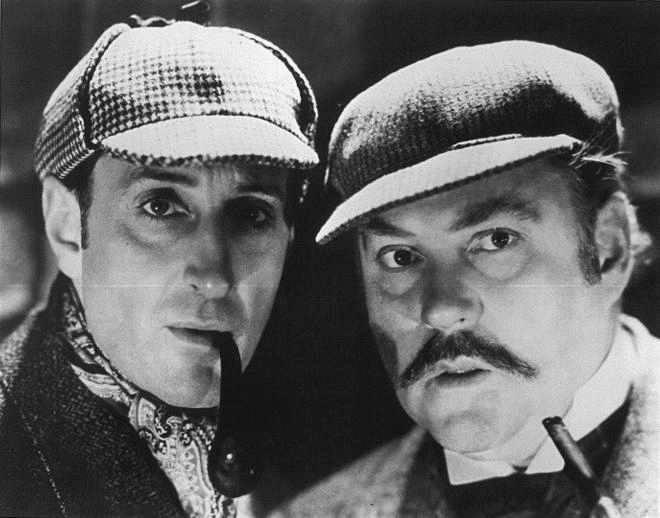
Some people have taken time to deride this aspect of world book day, bemoaning its focus on dressing up over literature.
http://www.bbc.co.uk/news/magazine-21687507
They may have a point. Then again interactivity is one of the most engaging ways to involve people wit a subject or idea. Which is why so many museums now embrace interactive approaches.
Books themselves have to compete in an ever expanding media market for children's attention. Let's not deride the idea of engagement and celebration. Instead let's just enjoy the creativity of the dressing up & watch a residual effect of an ever growing legion of bibliophiles.
After all it seems elementary old fellow.
Tuesday, 5 March 2013
History: art or science?
I love a good murder mystery and a historical whodunit as much as anybody else. It transpires that what I truly love however is unbiased, critically appraised deep historical research. It's an interpretation of presentable/provable facts I'm looking for, not supposition based on circumstantial evidence.
We can all maintain our personal theories on why things happened or if indeed they did happen at all. The key factor for any historian worth their salt though is to be able back those assertions with discernibly unbiased and acceptable evidence.
Take this recent example;
http://www.newstatesman.com/culture/2013/03/new-evidence-was-richard-iii-guilty-murdering-princes-tower
An interesting article and an interesting theory. Based however on a lot of circumstantial evidence and supposition. Amy Licence may well be right, I for one don't know either way if Richard was involved in the death of his nephews. For that mater I don't know for a fact that they were killed. Its never been proven either way. Which is where supposition comes in.
I enjoy strongly opinionated historians who will fight their cause. Just as long as they can use evidence to justifiably support that cause. Otherwise what we have is an artwork of woven together ideas and suppositions underpinned by history akin to hearsay. This just won't do! We came through the Enlightenment for a reason; let's take a rational reasoned approach to everything that's appropriate to do so (history certainly is) and be absolutely certain of our facts. Like scientists sometimes we'll have to say 'we just don't know'. Perhaps it will be less exciting and sell less books but it'll be intellectually more honest and benefit the discipline of history more in the long run.
So history art or science? The best history has a scientific unbiased approach to the research and then presents that in an artistic and engaging way.
We can all maintain our personal theories on why things happened or if indeed they did happen at all. The key factor for any historian worth their salt though is to be able back those assertions with discernibly unbiased and acceptable evidence.
Take this recent example;
http://www.newstatesman.com/culture/2013/03/new-evidence-was-richard-iii-guilty-murdering-princes-tower
An interesting article and an interesting theory. Based however on a lot of circumstantial evidence and supposition. Amy Licence may well be right, I for one don't know either way if Richard was involved in the death of his nephews. For that mater I don't know for a fact that they were killed. Its never been proven either way. Which is where supposition comes in.
I enjoy strongly opinionated historians who will fight their cause. Just as long as they can use evidence to justifiably support that cause. Otherwise what we have is an artwork of woven together ideas and suppositions underpinned by history akin to hearsay. This just won't do! We came through the Enlightenment for a reason; let's take a rational reasoned approach to everything that's appropriate to do so (history certainly is) and be absolutely certain of our facts. Like scientists sometimes we'll have to say 'we just don't know'. Perhaps it will be less exciting and sell less books but it'll be intellectually more honest and benefit the discipline of history more in the long run.
So history art or science? The best history has a scientific unbiased approach to the research and then presents that in an artistic and engaging way.
Monday, 4 March 2013
Eating the seasons
One is forcibly struck by the fact that one does NOT particularly know what fruit or vegetables are in season at the moment. A sense of chagrin is only enhanced by having grown up in the Lincolnshire countryside since the age of 11 (which somewhat negates the argument of being a city born boy).
Aside from knowing that peas & strawberries are summer fruits one has been left with little other working knowledge. Which seems a shame if not even shameful.
Our connection with the land and the changing seasons is continually swamped. Entombed as it is beneath the ever foaming tide of availability and forced grown foods the supermarkets offer all year round. One could argue however that this is disconnecting us from the natural state of things, as well as leaving us with bland rather than seasonably wondrous taste sensations.
No matter, there are tools online to help with this sort of thing;
http://eatseasonably.co.uk/what-to-eat-now/calendar/
Oh noble internet thou art a wondrous tool for such things! Now let's see if we an be inspired to eat a little more seasonally. (difficult when constant temptations sail before us but still....)
Aside from knowing that peas & strawberries are summer fruits one has been left with little other working knowledge. Which seems a shame if not even shameful.
Our connection with the land and the changing seasons is continually swamped. Entombed as it is beneath the ever foaming tide of availability and forced grown foods the supermarkets offer all year round. One could argue however that this is disconnecting us from the natural state of things, as well as leaving us with bland rather than seasonably wondrous taste sensations.
No matter, there are tools online to help with this sort of thing;
http://eatseasonably.co.uk/what-to-eat-now/calendar/
Oh noble internet thou art a wondrous tool for such things! Now let's see if we an be inspired to eat a little more seasonally. (difficult when constant temptations sail before us but still....)
Friday, 1 March 2013
NOT trusting the workforce
So it would appear that Yahoo's chief exec really DOES NOT trust her workforce. Marissa Meyer, the CEO in question has informed workers who are employed remotely that they must relocate into the company buildings.
http://allthingsd.com/20130222/physically-together-heres-the-internal-yahoo-no-work-from-home-memo-which-extends-beyond-remote-workers/
This seems to be a reflection on the companies paranoia that they are not necessarily getting the productivity they should from home workers. This seems more than faintly ridiculous on a number of levels.
First and foremost Yahoo are a tech based company, for them to oppose tech base remote working seems counter-intuitive and certanily won't help their brand reputation amongst the nerd elite.
Even setting this aside however, it is also seemingly wrong to judge your workforce in this manner. They are far from but automatons working as they do in a creative field and output cannot necessarily be measured from what an overseer can perceive from their desk aboard the good ship tradionalia.
Furthermore productivity and achievement are not mutually exclusive. Some can achieve what you want/obtain theirs and your company goals even IF they happen to go to the fridge a couple of times or wander off and do something else. you are paying them for their output/contribution/ability as much as their time these days.
Oh yeas and finally, - if you invest trust in your workers you are often rewarded. Some people with a reasonable amount of experience in the cutthroat world of capitalism even think so themselves.
http://www.virgin.com/richard-branson/blog/give-people-the-freedom-of-where-to-work
http://allthingsd.com/20130222/physically-together-heres-the-internal-yahoo-no-work-from-home-memo-which-extends-beyond-remote-workers/
This seems to be a reflection on the companies paranoia that they are not necessarily getting the productivity they should from home workers. This seems more than faintly ridiculous on a number of levels.
First and foremost Yahoo are a tech based company, for them to oppose tech base remote working seems counter-intuitive and certanily won't help their brand reputation amongst the nerd elite.
Even setting this aside however, it is also seemingly wrong to judge your workforce in this manner. They are far from but automatons working as they do in a creative field and output cannot necessarily be measured from what an overseer can perceive from their desk aboard the good ship tradionalia.
Furthermore productivity and achievement are not mutually exclusive. Some can achieve what you want/obtain theirs and your company goals even IF they happen to go to the fridge a couple of times or wander off and do something else. you are paying them for their output/contribution/ability as much as their time these days.
Oh yeas and finally, - if you invest trust in your workers you are often rewarded. Some people with a reasonable amount of experience in the cutthroat world of capitalism even think so themselves.
http://www.virgin.com/richard-branson/blog/give-people-the-freedom-of-where-to-work
Wednesday, 20 February 2013
Thinking beyond the sound bites
Hilary Mantel is EVIL! Well at least that's the way The Daily mail seem to want portray her. Their recent 'story' that one person had said something about another person (whatever happened to the concept of global or national news stories having depth and meaning?) has generated a lot of publicity and a lot of Internet 'buzz'. If Twitter is the currently accepted adjudicator of these things then this was one of the most popular stories of its day and a reasonably divisive one at that.
In case you've been living the hermit lifestyle (doubtful as you're reading an online article which would be hard to access from a dank lichen filled cave in the middle of nowhere) then the basics are this, - Hilary mantel wrote apiece for the London Review of Books entitled Royal Bodies. in it she refers to Kate Windsor (Nee Middleton) as a plastic princess and a clothes horse. Hardly the most damaging or scathing attack a royal has faced. Yet the Mail chose to portray this as an attack of the worst kind, painting Mantel as the stereotypical middle aged sour-puss figure overrun with her own internal jealousies of the glamorous princess.
What they failed to do was put any of this into context. If anything the article is both balanced and fair. it even ends with a plea for the royals, Kate particularly, to be left alone, so they could perchance escape their 'gilded cage'. Remarkably sympathetic.
Unfortunately people don't seem to be capable of looking past the few brief headlines and making their judgement. Including, worryingly enough our own PM. Cameron has weighed in on the subject to defend the Princess. Not only do I believe he should have more to concern him but it betrays a worrying lack of depth in his world perceptions. If he only deals n headlines without analysing the context this is a disturbing reflection of a growing national behaviour.
Stop just absorbing headlines and going from there. Read the whole thing then make decisions. We can only have informed adult debate if all sides involved are genuinely informed and not just spitting back twitter-esque headlines and surface story lines.
Why not read the original article for yourself and make your own mind up?
http://www.lrb.co.uk/v35/n04/hilary-mantel/royal-bodies
In case you've been living the hermit lifestyle (doubtful as you're reading an online article which would be hard to access from a dank lichen filled cave in the middle of nowhere) then the basics are this, - Hilary mantel wrote apiece for the London Review of Books entitled Royal Bodies. in it she refers to Kate Windsor (Nee Middleton) as a plastic princess and a clothes horse. Hardly the most damaging or scathing attack a royal has faced. Yet the Mail chose to portray this as an attack of the worst kind, painting Mantel as the stereotypical middle aged sour-puss figure overrun with her own internal jealousies of the glamorous princess.
What they failed to do was put any of this into context. If anything the article is both balanced and fair. it even ends with a plea for the royals, Kate particularly, to be left alone, so they could perchance escape their 'gilded cage'. Remarkably sympathetic.
Unfortunately people don't seem to be capable of looking past the few brief headlines and making their judgement. Including, worryingly enough our own PM. Cameron has weighed in on the subject to defend the Princess. Not only do I believe he should have more to concern him but it betrays a worrying lack of depth in his world perceptions. If he only deals n headlines without analysing the context this is a disturbing reflection of a growing national behaviour.
Stop just absorbing headlines and going from there. Read the whole thing then make decisions. We can only have informed adult debate if all sides involved are genuinely informed and not just spitting back twitter-esque headlines and surface story lines.
Why not read the original article for yourself and make your own mind up?
http://www.lrb.co.uk/v35/n04/hilary-mantel/royal-bodies
Wednesday, 6 February 2013
Social media strokes our egos
It is almost Augean to admit to ones own shortcomings and yet in reviewing ones behaviours occasionally one feels obligated to do so.
The blossoming arena of social media, areas like 'Facebook', 'Twitter' and the blogosphere presents a truly democratic arena for self-expression. Unfortunately we are not all the enlightened intelligentsia we so persuasively convince ourselves we are before committing the act of placing ill conceived epehemera into the 'e-sphere'.
The question is who are we producing such works for and why? Many are worthy attempts to create a 'better ' world or to improve some specific area of life. Others are part of noble campaigns, or in some unutterable instances far from noble campaigns that are attempts to convince others that deep seated bigotries are in fact defensible.
Then there are blogs like this one. Random discourses of little discernible worth or function. Please do not misunderstand, this is no attempt to eviscerate ones own work or worth. Merely a reflection on its lack of import.
One can become enmeshed too in the counting game. Suddenly quantity outstrips quality. My culpability here is all too real. To look at ones blog and delight that 21 people have read it. How we cajole ourselves into believing that make us important! 21 people out of the 7 billion+ of humanity have glanced at the diatribe we occasionally produce! How the world must swoon at our Oscar Wilde like influence now.
Just as bad the 'follower' count on Twitter. What is this cultish slave like devotion to counting 'followers'. They are not our apostles! Why must one take it so personally when the figure reduces?
My point is simple really. The Internet is a wonderful social tool, but please don't let it give us an overblown sense of our own public worth.
Right, now I shall bask in the effulgent glory of counting my Twitter followers - wonder if they've gone up or down?
The blossoming arena of social media, areas like 'Facebook', 'Twitter' and the blogosphere presents a truly democratic arena for self-expression. Unfortunately we are not all the enlightened intelligentsia we so persuasively convince ourselves we are before committing the act of placing ill conceived epehemera into the 'e-sphere'.
The question is who are we producing such works for and why? Many are worthy attempts to create a 'better ' world or to improve some specific area of life. Others are part of noble campaigns, or in some unutterable instances far from noble campaigns that are attempts to convince others that deep seated bigotries are in fact defensible.
Then there are blogs like this one. Random discourses of little discernible worth or function. Please do not misunderstand, this is no attempt to eviscerate ones own work or worth. Merely a reflection on its lack of import.
One can become enmeshed too in the counting game. Suddenly quantity outstrips quality. My culpability here is all too real. To look at ones blog and delight that 21 people have read it. How we cajole ourselves into believing that make us important! 21 people out of the 7 billion+ of humanity have glanced at the diatribe we occasionally produce! How the world must swoon at our Oscar Wilde like influence now.
Just as bad the 'follower' count on Twitter. What is this cultish slave like devotion to counting 'followers'. They are not our apostles! Why must one take it so personally when the figure reduces?
My point is simple really. The Internet is a wonderful social tool, but please don't let it give us an overblown sense of our own public worth.
Right, now I shall bask in the effulgent glory of counting my Twitter followers - wonder if they've gone up or down?
Monday, 4 February 2013
Richard III and the glory of science
Well it appears to be settled, the disinterred remains in a Leicester car park ARE those of Richard III!
http://www.bbc.co.uk/news/uk-england-leicestershire-21063882
Setting aside the moral dilemmas of where he should be laid to rest this is fabulously exciting. Particularly so because it will hopefully engage people with one of the less well regarded figures of our history.
Perhaps people will reassess his legacy now less from Shakespeare's propaganda, (let us not forget he wrote under the lead of the usurping family Tudor who could not afford to have the last Yorkist well remembered), and more from the perspective of the times he lived in where every man seized their opportunities and fought a bloody battle to the top and to stay there. Even if he did all the things he is accused of (doing away with the princes in the tower etc, and much of the evidence is circumstantial if strongly so, then one would contend he was no worse than his contemporaries.
Alongside this we can record a victory for science. 500+ years have passed and yet we can still find, identify and confirm this to be Richard. Historians and archaeologists alike who have collaborated on this should take a well deserved bow.
People in the media have argued about the import of this and where we should go from her. For one, i am just happy that this is a subject that can arouse interest proving once again the attractions and passions that our history can arouse.
http://www.bbc.co.uk/news/uk-england-leicestershire-21063882
Setting aside the moral dilemmas of where he should be laid to rest this is fabulously exciting. Particularly so because it will hopefully engage people with one of the less well regarded figures of our history.
Perhaps people will reassess his legacy now less from Shakespeare's propaganda, (let us not forget he wrote under the lead of the usurping family Tudor who could not afford to have the last Yorkist well remembered), and more from the perspective of the times he lived in where every man seized their opportunities and fought a bloody battle to the top and to stay there. Even if he did all the things he is accused of (doing away with the princes in the tower etc, and much of the evidence is circumstantial if strongly so, then one would contend he was no worse than his contemporaries.
Alongside this we can record a victory for science. 500+ years have passed and yet we can still find, identify and confirm this to be Richard. Historians and archaeologists alike who have collaborated on this should take a well deserved bow.
People in the media have argued about the import of this and where we should go from her. For one, i am just happy that this is a subject that can arouse interest proving once again the attractions and passions that our history can arouse.
Thursday, 24 January 2013
The love of Doom
Initially I want to emphasise one single point, this is not a profession of platonic love for Marvels Latverian dictator Victor Von Doom (just so any geek chic enthusiast seeing the headline knows straight away!)

No, not that at all! This is rather a brief musing on our propensity for revelling in despair and doom and gloom. Having just read a BBC article on the 'apocalypse' of failing antibiotics one was moved to comment when it finished with this sentence:
"We have to be aware that we aren't going to have new wonder drugs coming along because there just aren't any."
One understands the argument that drugs are becoming resistant. Though one is led to wonder how such resistances ever occur when Gps guard them like they are protecting the gold stored in Fort Knox, - but I digress.
The point about that sentence (quoted above) is the absolute negative certainty of it. How do they know? They can suspect their will be no new drugs, no clinical improvements, but they cannot know. The human race is ingenious and strives for improvement all the time. Technological advances are swift and staggering. One cannot deny well constructed empirical evidence on drug resistance. at the same time one cannot reject future improvements - the future has yet to happen and that is very much the point.
It is not just here though. This is a mere singular example of our propensity for negativity. Watch mainstream media channels or flick through newspapers and they are doom laden. Misery it would seem sells. Talk of failure/doom/disaster and unopposable changes to life are abundant.
Life is short enough. Let's, just for once be optimistic instead of focusing on the doom - laden after all as Oscar Wilde once said:
“We are all in the gutter, but some of us are looking at the stars.”
For the sake of any geek-chic types who made it through the morass of jumbled thoughts above it seems only fair to counterbalance the presence of one Mr Doom with the presence of a chap who is optimistic about the future and sees the potential in human ingenuity.

FANTASTIC!
No, not that at all! This is rather a brief musing on our propensity for revelling in despair and doom and gloom. Having just read a BBC article on the 'apocalypse' of failing antibiotics one was moved to comment when it finished with this sentence:
"We have to be aware that we aren't going to have new wonder drugs coming along because there just aren't any."
One understands the argument that drugs are becoming resistant. Though one is led to wonder how such resistances ever occur when Gps guard them like they are protecting the gold stored in Fort Knox, - but I digress.
The point about that sentence (quoted above) is the absolute negative certainty of it. How do they know? They can suspect their will be no new drugs, no clinical improvements, but they cannot know. The human race is ingenious and strives for improvement all the time. Technological advances are swift and staggering. One cannot deny well constructed empirical evidence on drug resistance. at the same time one cannot reject future improvements - the future has yet to happen and that is very much the point.
It is not just here though. This is a mere singular example of our propensity for negativity. Watch mainstream media channels or flick through newspapers and they are doom laden. Misery it would seem sells. Talk of failure/doom/disaster and unopposable changes to life are abundant.
Life is short enough. Let's, just for once be optimistic instead of focusing on the doom - laden after all as Oscar Wilde once said:
“We are all in the gutter, but some of us are looking at the stars.”
For the sake of any geek-chic types who made it through the morass of jumbled thoughts above it seems only fair to counterbalance the presence of one Mr Doom with the presence of a chap who is optimistic about the future and sees the potential in human ingenuity.
FANTASTIC!
Thursday, 17 January 2013
the refulgent joy of the pun
http://www.bbc.co.uk/news/magazine-21011778
Apparently some people don't enjoy a good, or if we are to be realistic about this often not so good pun apparently. This is surely a shame.
Would one really want to miss out on such shining gems as 'Time flies like an arrow. Fruit flies like a banana.' or the equally awe inspiring 'Did you hear about the Buddhist who refused Novocain during a root canal? His goal: transcend dental medication.'.
Doubtless a few reading those will have groaned inwardly and perhaps even outwardly. Yet there is a certain joy in them, no matter how bad. Puns take a certain mental agility to construct and a playful love of linguistic acrobatics that any logophile or linguaphile worth their metaphoric salt must appreciate.
Besides without such wonderful one liners we wouldn't have this punderful collection from the indomitable Groucho Marx;
http://www.digitaldreamdoor.com/pages/quotes/grouchomarx.html
Apparently some people don't enjoy a good, or if we are to be realistic about this often not so good pun apparently. This is surely a shame.
Would one really want to miss out on such shining gems as 'Time flies like an arrow. Fruit flies like a banana.' or the equally awe inspiring 'Did you hear about the Buddhist who refused Novocain during a root canal? His goal: transcend dental medication.'.
Doubtless a few reading those will have groaned inwardly and perhaps even outwardly. Yet there is a certain joy in them, no matter how bad. Puns take a certain mental agility to construct and a playful love of linguistic acrobatics that any logophile or linguaphile worth their metaphoric salt must appreciate.
Besides without such wonderful one liners we wouldn't have this punderful collection from the indomitable Groucho Marx;
http://www.digitaldreamdoor.com/pages/quotes/grouchomarx.html
Friday, 11 January 2013
God help the poor! (the government almost certainly won't)
As an Englishman it goes against ones abiding cultural principles to discuss personal fiance openly or even really to put ones self at the centre of a post. However this will (unusually it is to be hoped) be a personally based piece. It takes a lot to push the conservative (with a small c) mild English to this point but this government is achieving it.
The breaking point has come in the whole 'stivers versus shirkers' debate that the Conservative (large political c) commentators have chosen to frame the debate over the state of welfare in this country. They are looking to cap benefit rises at 1% for the next 3 years. At the same time they say they are doing this for 'strivers' who go out to work to feed their families etc because as they frame it why should the 'shirkers' with their 'curtains drawn, laying in bed whilst others work' be equally well remunerated. You might think this is a sound argument, why shouldn't working people earn more than non- workers? only seem fair right?
EXCEPT!
Except that 1% applies to working families tax credits, to allowances that are given to people in poorly paid jobs who work often long hours for not much and need that extra money to supplement their lowly (earned) income. How is this helping strivers?
Another great way to cut the deficit apparently was to freeze wages in the public sector until April 2013 and now they want to limit rises the to 1%.
So if you work in the public sector - so called striving - you've had no pay rise for 2 years, when you do it will be well below inflation and any top-ups you might have got for low income will also be well below inflation. Effectively meaning a long term pay cut - for 'stivers'.
Originally the government said we had to reduce the deficit so austerity was needed. Then they said to people in the private sector - look how well remunerated public sector workers are - let's do something about it for balance. Not let's do something about poor pay in the private sector by the way- let's pull every body's wages down rather than striving for bettering things.
Then they said to all working people - look how 'well off ' people on benefits are (they're not at all one has experienced it in away few politicians have or will), let's cut their money.
Disabled groups have had cuts to their support. The levels of ability for working have been manipulated so that its harder to not work if disabled.
Before the last election our esteemed PM to be used the mantra 'we're all in this together'. That would be a mite more believable oh chinless wonder if MP's weren't currently mooting themselves a 32% pay rise (aren't they the sort of parasitic public sector workers with gold plated deals you promised to target? No? My mistake then!)
So let's not get at each other. Let's not focus on how much someone else has and how we can take it of them to make ourselves feel better. let's not be a society fuelled by bitter resentful schadenfreude. Instead let's work out how we can get more people into work that pays well, gives them worth and helps society generally.
In the meantime perhaps this should be our anthem
http://www.last.fm/music/Mike+Harding/_/God+Help+the+Poor
If you're wondering how this relates to an interjection of the personal as suggested at the start - it was written by a public sector worker who recieves tax credits to supplement a low income for working a 40 hour week who resents being branded a shirker by the inheritors of millions who've never known a days privation in their lives.
http://www.independent.co.uk/voices/comment/the-welfare-bill-a-government-of-millionaires-just-made-the-poor-poorer--and-laughed-as-they-did-it-8443619.html
The breaking point has come in the whole 'stivers versus shirkers' debate that the Conservative (large political c) commentators have chosen to frame the debate over the state of welfare in this country. They are looking to cap benefit rises at 1% for the next 3 years. At the same time they say they are doing this for 'strivers' who go out to work to feed their families etc because as they frame it why should the 'shirkers' with their 'curtains drawn, laying in bed whilst others work' be equally well remunerated. You might think this is a sound argument, why shouldn't working people earn more than non- workers? only seem fair right?
EXCEPT!
Except that 1% applies to working families tax credits, to allowances that are given to people in poorly paid jobs who work often long hours for not much and need that extra money to supplement their lowly (earned) income. How is this helping strivers?
Another great way to cut the deficit apparently was to freeze wages in the public sector until April 2013 and now they want to limit rises the to 1%.
So if you work in the public sector - so called striving - you've had no pay rise for 2 years, when you do it will be well below inflation and any top-ups you might have got for low income will also be well below inflation. Effectively meaning a long term pay cut - for 'stivers'.
Originally the government said we had to reduce the deficit so austerity was needed. Then they said to people in the private sector - look how well remunerated public sector workers are - let's do something about it for balance. Not let's do something about poor pay in the private sector by the way- let's pull every body's wages down rather than striving for bettering things.
Then they said to all working people - look how 'well off ' people on benefits are (they're not at all one has experienced it in away few politicians have or will), let's cut their money.
Disabled groups have had cuts to their support. The levels of ability for working have been manipulated so that its harder to not work if disabled.
Before the last election our esteemed PM to be used the mantra 'we're all in this together'. That would be a mite more believable oh chinless wonder if MP's weren't currently mooting themselves a 32% pay rise (aren't they the sort of parasitic public sector workers with gold plated deals you promised to target? No? My mistake then!)
So let's not get at each other. Let's not focus on how much someone else has and how we can take it of them to make ourselves feel better. let's not be a society fuelled by bitter resentful schadenfreude. Instead let's work out how we can get more people into work that pays well, gives them worth and helps society generally.
In the meantime perhaps this should be our anthem
http://www.last.fm/music/Mike+Harding/_/God+Help+the+Poor
If you're wondering how this relates to an interjection of the personal as suggested at the start - it was written by a public sector worker who recieves tax credits to supplement a low income for working a 40 hour week who resents being branded a shirker by the inheritors of millions who've never known a days privation in their lives.
http://www.independent.co.uk/voices/comment/the-welfare-bill-a-government-of-millionaires-just-made-the-poor-poorer--and-laughed-as-they-did-it-8443619.html
Friday, 4 January 2013
New year's no resolutions
Every year people ask what your resolutions are. It's as though they emphatically expect them to be made. The concept of not making them seems anathema to many. Yet it isn't really clear why. The delineation of the years into calendrical months on a cycle that we pass is an artificial human construct. We like to mark the passage of that difficult concept 'time' itself by having a sense of control over it and contain it within a structure we have created.
We also like to mark out events within that artificial structure - hence the festivities each time a 'new year' comes round. Few stop to think that if we weren't artificially marking this time the world would still revolve, the sun still rise & set and nature would continue oblivious. No; we like to feel a sense of something momentous occurring around us.
By having that sense of the momentous we are then prompted to review our own circumstances, encouraged possibly to be critical of them and then finally, as we have a momentous staging post to work from, do something about it - or resolutions. typically they involve quitting things - smoking, drinking, over-eating or the pursuance of things - better health through exercise, weight loss, a push towards academia, knowledge broadening.
All seem to come with the inherent caveat of our own inadequacy without the resolution. Yet most are broken and or forgotten by spring. Why is this? Are we inherently poor at sticking to our resolve, is it low will power? Are we unable to perform to targets. Or were we setting ourselves impossible targets?
Most likely of all seem the concept that possibly just possibly the resolutions were an unnecessary distraction. We know what we want or need to achieve. Often too we are comfortable as who or what we are. There will be no diet in my home prompted by the ghastly vision of size zero models looking like escapees from a POW camp, nor will those horrendous self-esteem affirming magazine articles that proliferate at this time of year (that have exactly the opposite effect) have any impact.
Most of us know the basics. Eat a balanced nutritious diet. Exercise. Don't over-indulge. Pursue the things that interest you. We don't need New Year to tell us this. These are everyday sensible lifestyle choices. No resolution will enhance them if we already know and understand them.
Perhaps the greatest resolution I will make this year is not to resolve anything at all.
We also like to mark out events within that artificial structure - hence the festivities each time a 'new year' comes round. Few stop to think that if we weren't artificially marking this time the world would still revolve, the sun still rise & set and nature would continue oblivious. No; we like to feel a sense of something momentous occurring around us.
By having that sense of the momentous we are then prompted to review our own circumstances, encouraged possibly to be critical of them and then finally, as we have a momentous staging post to work from, do something about it - or resolutions. typically they involve quitting things - smoking, drinking, over-eating or the pursuance of things - better health through exercise, weight loss, a push towards academia, knowledge broadening.
All seem to come with the inherent caveat of our own inadequacy without the resolution. Yet most are broken and or forgotten by spring. Why is this? Are we inherently poor at sticking to our resolve, is it low will power? Are we unable to perform to targets. Or were we setting ourselves impossible targets?
Most likely of all seem the concept that possibly just possibly the resolutions were an unnecessary distraction. We know what we want or need to achieve. Often too we are comfortable as who or what we are. There will be no diet in my home prompted by the ghastly vision of size zero models looking like escapees from a POW camp, nor will those horrendous self-esteem affirming magazine articles that proliferate at this time of year (that have exactly the opposite effect) have any impact.
Most of us know the basics. Eat a balanced nutritious diet. Exercise. Don't over-indulge. Pursue the things that interest you. We don't need New Year to tell us this. These are everyday sensible lifestyle choices. No resolution will enhance them if we already know and understand them.
Perhaps the greatest resolution I will make this year is not to resolve anything at all.
Subscribe to:
Posts (Atom)